
Gut health plays a far bigger role in your overall well-being than many people realize. From digestion and immunity to mood and energy levels, a healthy gut supports almost every system in the body. Yet modern lifestyles—high stress, poor diet, lack of sleep—often damage the delicate balance of bacteria in our digestive system.
The good news is that science shows you can improve gut health naturally by making simple, consistent changes. You don’t need extreme diets or expensive supplements. By focusing on smart daily habits, you can strengthen your digestive system and feel better from the inside out.
In this guide, we’ll explore 10 smart, science-based habits that support digestion, balance gut bacteria, and help you understand how to improve gut health naturally in a sustainable way.
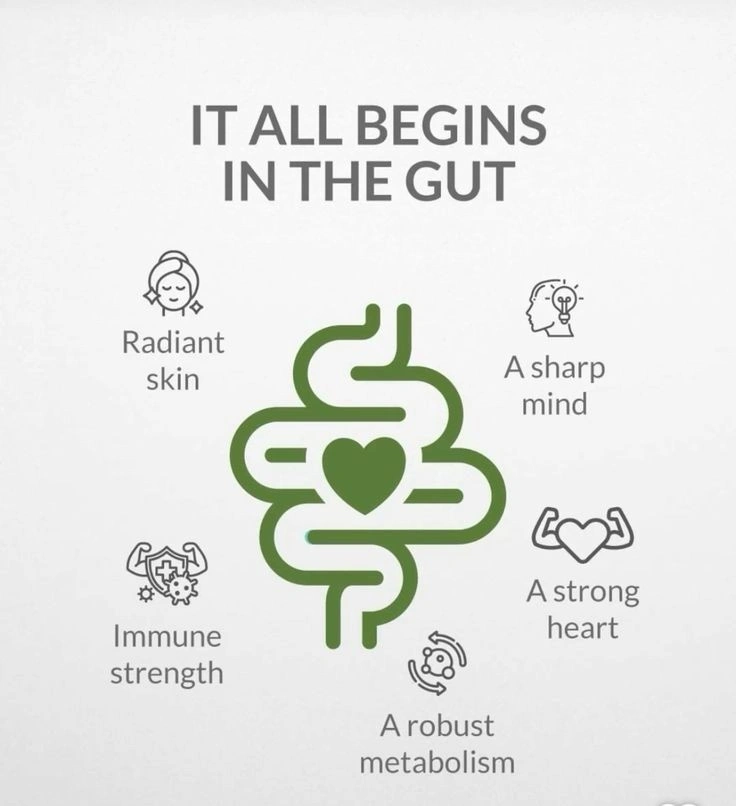
Daily Nutrition & Eating Habits That Improve Gut Health
What you eat has the strongest influence on your gut microbiome. Certain foods nourish beneficial bacteria, while others disrupt balance and cause inflammation.
One of the best ways to improve gut health naturally is by eating more fiber-rich foods. Whole grains, vegetables, fruits, legumes, nuts, and seeds act as fuel for good gut bacteria. These bacteria ferment fiber and produce short-chain fatty acids, which help protect the gut lining and reduce inflammation.
Including foods good for gut health such as yogurt, kefir, sauerkraut, kimchi, and miso can also make a big difference. These fermented foods contain probiotics—live beneficial bacteria that support digestion and help maintain microbial diversity.
Another important habit is eating slowly. Chewing food properly reduces digestive stress and allows enzymes to work more efficiently. Rushed meals often lead to bloating, gas, and discomfort.
Reducing added sugar and ultra-processed foods is equally important. High sugar intake feeds harmful bacteria and yeast, disrupting the balance of your gut microbiome. Instead, aim for whole, minimally processed foods most of the time.
Hydration also plays a key role. Drinking enough water helps fiber do its job and supports smooth digestion. Even mild dehydration can slow gut movement and cause constipation.

Lifestyle & Wellness Habits for a Healthy Gut
Gut health is not just about food—it’s deeply connected to how you live. Stress, sleep, and physical activity all influence digestion and gut bacteria.
Chronic stress is one of the biggest enemies of gut health. Stress hormones can alter gut motility and increase inflammation. Practices like deep breathing, meditation, yoga, or even daily walks can significantly improve digestion. Learning to manage stress is one of the most overlooked gut health tips.
Quality sleep is another science-backed factor. Poor sleep disrupts the gut microbiome and increases inflammation. Aim for 7–9 hours of consistent, restful sleep to support gut repair and bacterial balance.
Regular physical activity improves gut motility and encourages microbial diversity. You don’t need intense workouts—brisk walking, cycling, swimming, or light strength training are enough to support digestive health.
Limiting unnecessary antibiotics is also important. While antibiotics can be lifesaving, overuse wipes out beneficial gut bacteria along with harmful ones. Always use them only when prescribed and support gut recovery afterward with fiber-rich foods.
Avoid smoking and excessive alcohol consumption, as both damage the gut lining and reduce healthy bacteria. Moderation and mindful habits go a long way in protecting digestive health.
Finally, listen to your body. Everyone’s gut is unique. Foods that help one person may cause discomfort for another. Paying attention to how your body reacts helps you personalize your gut health routine.

Key Points / Benefits of Better Gut Health
Improves digestion and nutrient absorption
Strengthens immune function naturally
Supports mental health and mood balance
Reduces bloating, gas, and digestive discomfort
Promotes long-term overall wellness
Final Thoughts
Your gut is the foundation of your health, and caring for it doesn’t have to be complicated. By following these science-based habits, you can steadily improve gut health, boost energy, and feel more balanced every day.
Focus on nourishing foods, stress management, quality sleep, and consistent movement. Small changes done daily are far more powerful than drastic short-term fixes. When you treat your gut well, your entire body benefits.