

Your gut does more than digest food—it acts as your body’s second brain and a powerful defense system. A balanced gut microbiome supports not just digestion, but also your immune system, mood, and metabolism. Poor gut health can lead to fatigue, skin issues, frequent illness, and even mental stress.
Let’s explore how probiotics, prebiotics, and the right nutrition can help you maintain a healthy gut and build stronger immunity.
What Is Gut Health and Why It Matters
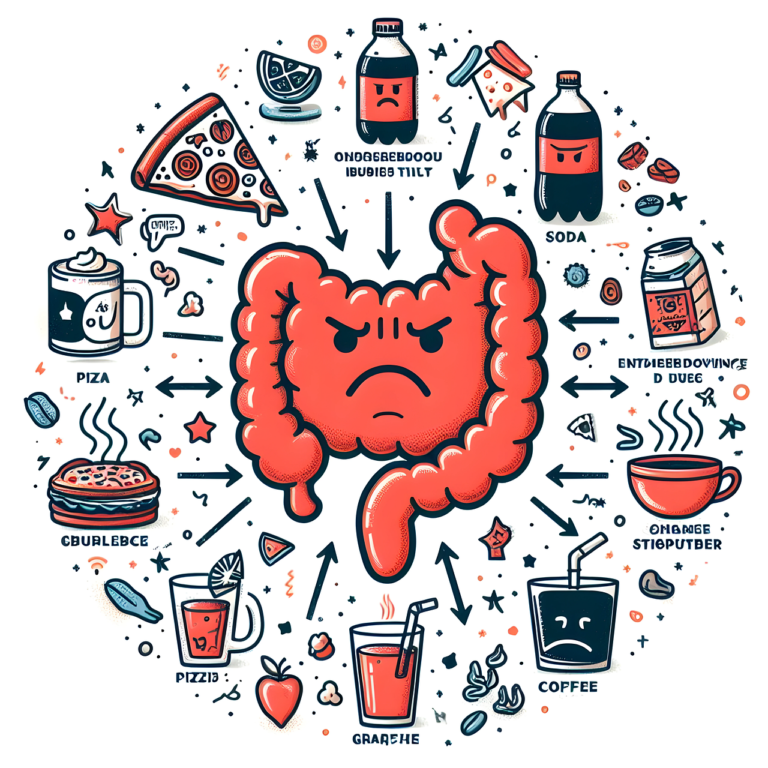
Gut health refers to the balance of microorganisms living in your digestive tract. A healthy gut microbiome ensures efficient digestion, nutrient absorption, and toxin elimination. When this balance is disrupted, harmful bacteria can overgrow, leading to issues like bloating, constipation, and inflammation.
Your gut is also home to nearly 70% of your immune cells—meaning your immune response starts in your digestive system. Keeping it healthy is vital for overall wellness.

Signs of an Unhealthy Gut
Recognizing early signs of gut imbalance can prevent long-term issues. Some common x include:
- Frequent bloating or gas
- Constipation or diarrhea
- Sugar cravings or unexplained fatigue
- Skin problems like acne or eczema
- Weak immunity and frequent colds
- Brain fog or mood swings
If you experience any of these symptoms, it might be time to focus on improving your gut health.
Probiotics: The Good Bacteria
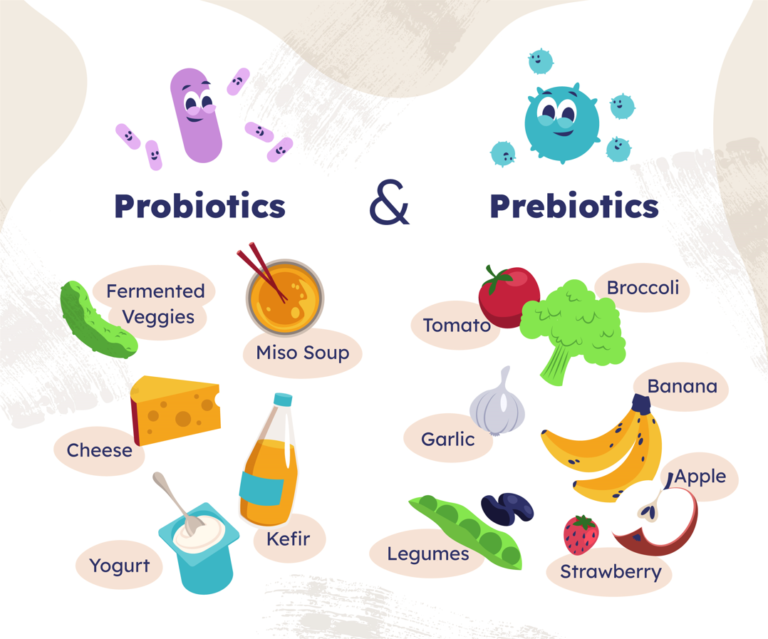
Probiotics are live microorganisms that restore healthy bacteria in your gut. They support digestion, nutrient absorption, and immune function.
Probiotic-rich foods you can include in your diet:
- Yogurt – Contains live cultures that enhance gut flora.
- Kefir – A fermented milk drink packed with multiple probiotic strains.
- Sauerkraut and Kimchi – Fermented vegetables rich in beneficial bacteria.
- Kombucha – A fermented tea that aids digestion.
- Miso and Tempeh – Soy-based probiotic foods with immune-boosting properties.
Gut Health Tip: Always choose probiotic foods with “live and active cultures” mentioned on the label.
Prebiotics: The Food for Your Gut Bacteria
While probiotics introduce good bacteria, prebiotics feed them. They are non-digestible fibers that promote the growth of healthy microbes.
Top prebiotic foods include:
- Garlic
- Onions
- Bananas
- Oats
- Asparagus
- Flaxseeds
These ingredients support a balanced gut environment and help maintain long-term digestive wellness.
Best Foods for Gut Health
Incorporating gut-friendly foods into your daily meals can transform your digestion and immune strength.
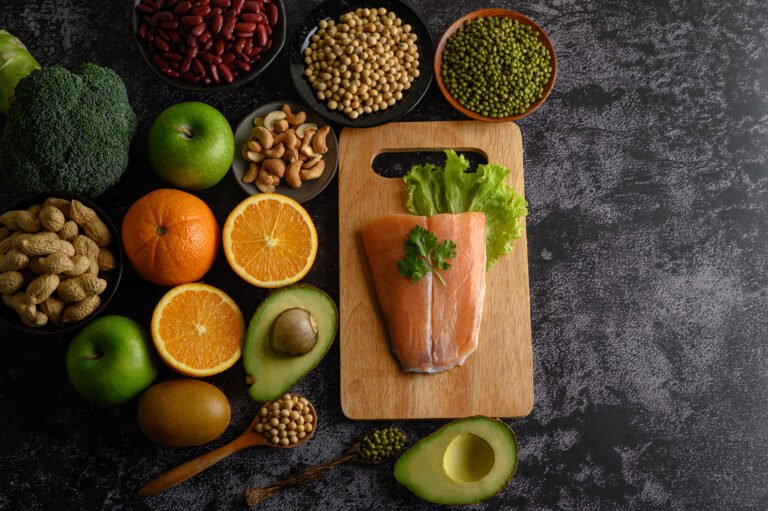
Here’s a list of the best food for gut health:
- Whole grains and legumes (rich in fiber)
- Leafy greens like spinach and kale
- Fresh fruits, especially apples and berries
- Nuts and seeds for healthy fats
- Fermented foods for probiotic benefits
- Herbal teas like ginger or peppermint
Tip: Avoid processed foods, artificial sweeteners, and excess sugar—they disrupt your gut microbiome

How Gut Health Boosts Your Immune System
Your gut microbiome communicates with your immune system to control inflammation and prevent harmful pathogens from spreading. When the gut is balanced, your body naturally fights off infections more efficiently.
Studies show that individuals with diverse gut bacteria have fewer colds and faster recovery rates than those with poor gut health.
In short, when you feed your gut right, it protects you from the inside out.
Daily Gut Health Tips
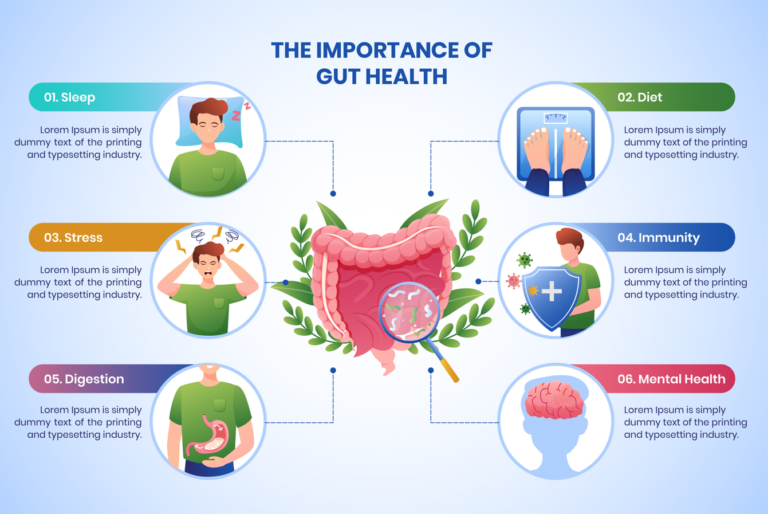
- Eat fiber-rich foods daily.
- Hydrate properly to support digestion.
- Limit antibiotics unless prescribed.
- Reduce stress through meditation or yoga.
- Sleep well—poor sleep disrupts gut bacteria.
- Include probiotics and prebiotics in your meals.
These simple habits can significantly enhance your gut microbiome and immune system.
Conclusion
A healthy gut means a healthier, more energetic you. By nourishing your microbiome with probiotics, prebiotics, and balanced nutrition, you can improve digestion, enhance immunity, and elevate your overall well-being.
Start today—add probiotic-rich foods, reduce processed meals, and listen to your body. Your gut will thank you.
1. What are the signs of an unhealthy gut?
Common signs of an unhealthy gut include bloating, irregular bowel movements, fatigue, sugar cravings, skin problems, and frequent infections. These indicate an imbalance in gut bacteria that needs to be corrected through diet and lifestyle changes.
2. How can I improve my gut health naturally?
You can improve gut health naturally by eating probiotic-rich foods like yogurt and kimchi, including fiber-rich prebiotics such as oats and garlic, staying hydrated, reducing stress, and getting enough sleep.
3. What foods are best for gut health?
The best food for gut health includes fermented foods (yogurt, kefir, sauerkraut), whole grains, leafy greens, fruits, and nuts. These help nourish beneficial gut bacteria and improve digestion.