
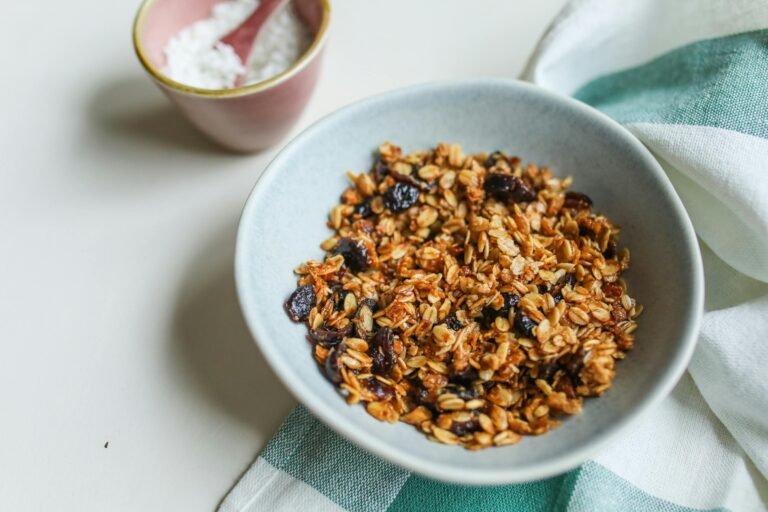
For millions of people, breakfast cereal is the easiest way to start the day. It’s fast, convenient, and seems like a healthy option — but is your cereal really as wholesome as it claims? With so many brands labeled “whole grain,” “gluten-free,” or “energy boosting,” finding a truly healthy cereal can be confusing.
In this guide, we’ll help you understand what makes a nutritious cereal, how to spot misleading marketing, and how to choose a gluten-free cereal or energy breakfast that actually supports your health goals.
Why We Love Breakfast Cereal
Cereal has been a breakfast staple for decades because it’s simple and quick. In a busy world, grabbing a bowl of breakfast cereal seems like the perfect way to fuel up. However, convenience often comes at a nutritional cost.
Many cereals — even those branded as healthy cereal — are loaded with added sugar, refined grains, and artificial ingredients. While they may give you a quick sugar rush, they rarely provide long-lasting energy or essential nutrients.
What Makes a Cereal Truly Healthy?
A healthy cereal is one that nourishes your body, not just fills your stomach. Here’s what you should look for when choosing your morning bowl:
1. Whole Grains Come First
Look for cereals that list whole grains like oats, quinoa, or brown rice as the first ingredient. Whole grains provide fiber, which supports digestion and keeps you satisfied longer.
2. Low in Added Sugar
A nutritious cereal should contain less than 6 grams of added sugar per serving. Some “healthy” cereals contain over 12 grams — that’s equivalent to 3 teaspoons of sugar!
3. High in Fiber and Protein
A good healthy cereal provides 4–6 grams of fiber and 5–8 grams of protein per serving. This combo helps stabilize blood sugar and gives you steady energy.
4. Minimal Ingredients
Fewer ingredients generally mean fewer additives. Avoid cereals with artificial colors, preservatives, or high-fructose corn syrup.
5. Gluten-Free Options (if needed)
If you have gluten sensitivity or celiac disease, opt for a gluten-free cereal made with oats, amaranth, or millet. These grains are naturally gluten-free and nutrient-rich.
The Truth Behind Cereal Marketing
The cereal aisle can be deceptive. Labels like “multigrain,” “natural,” or “fortified” can make any breakfast cereal sound healthy — even when it’s not.
For instance, “fortified” simply means nutrients were added back after processing stripped them out. Likewise, “gluten-free cereal” can still be unhealthy if it’s high in sugar or refined starch.
Pro Tip: Always check the ingredient list and nutrition facts. If sugar is one of the first three ingredients, it’s not a healthy cereal, no matter how natural it sounds.
Ingredients That Make a Cereal Truly Nutritious
To build a truly nutritious cereal, focus on these ingredients:
- Oats: Rich in beta-glucan fiber for heart health
- Quinoa: A complete protein and great base for an energy breakfast
- Nuts & Seeds: Add crunch and healthy fats
- Dried Fruits: Natural sweetness in moderation
- Chia & Flax Seeds: Excellent for omega-3s and fiber
These ingredients create a healthy cereal that keeps you energized, satisfied, and nourished throughout the morning.
The Truth About Gluten-Free Cereals
Going gluten-free has become popular, but not all gluten-free cereals are created equal. Some are packed with sugar and low in fiber, making them no better than regular sugary cereals.
A high-quality gluten-free cereal should include ingredients like brown rice, millet, or buckwheat — grains that provide fiber, minerals, and long-lasting energy without gluten.
If you’re choosing a gluten-free cereal for health reasons, make sure it’s also a nutritious cereal, not just a trendy label.
Turn Your Bowl into an Energy Breakfast
Even the healthiest cereal can be enhanced with the right toppings. Here’s how to turn your morning bowl into a complete energy breakfast:
- Add Greek yogurt or protein powder for extra protein
- Top with fresh fruit for natural sweetness and antioxidants
- Sprinkle chia seeds or almonds for healthy fats
- Use plant-based milk like almond or oat for extra creaminess
These small additions make your healthy cereal more balanced and satisfying — giving you the energy to power through your morning.
The Bottom Line: Be Label Smart
Not every breakfast cereal is a healthy cereal. The difference lies in the ingredients, fiber content, and sugar levels. When you choose wisely, cereal can be part of a balanced, nutritious cereal diet that supports your wellness goals.
So next time you’re standing in the cereal aisle, remember: the healthiest choice starts with reading the label, not the marketing.
Your perfect energy breakfast is the one that fuels your body naturally — without added sugar or artificial fillers.
Quick Checklist for a Healthy Cereal
- Whole grains listed first
- Less than 6g added sugar per serving
- At least 4g fiber and 5g protein
- Minimal ingredients, no artificial colors
- Gluten-free (if needed)
Frequently Asked Questions
1. How can I tell if my breakfast cereal is really healthy?
Check the nutrition label and ingredient list. A healthy cereal should have whole grains listed first, less than 6 grams of added sugar per serving, and at least 4 grams of fiber and 5 grams of protein. Avoid cereals with artificial colors or high-fructose corn syrup.
2. Are gluten-free cereals always healthier?
Not necessarily. While gluten-free cereals are great for people with gluten intolerance, some are highly processed and packed with sugar. Choose gluten-free options made with brown rice, quinoa, or millet for better nutrition.
3. What can I add to my cereal for extra nutrition and energy?
Enhance your breakfast bowl with Greek yogurt or protein powder for protein, fresh fruit for vitamins, and chia seeds or nuts for healthy fats and fiber. These additions turn your cereal into a balanced, energy-boosting meal.