
For millions of people, the cycle is painfully familiar: great enthusiasm, a period of strict restriction, a loss of a few pounds, and then, inevitably, a return to old habits, often with a few extra pounds gained. This relentless loop leaves you feeling discouraged, confused, and convinced that you are the problem. The truth, however, is that the diet itself is fundamentally flawed.
Understanding why diets fail long term is the critical first step toward achieving genuine, sustainable health. The problem isn’t a lack of willpower; it’s a strategy built for short-term fixes, not a lifelong relationship with food. This article will break down the core reasons why diets fail long term and introduce you to a proven, flexible framework that actually works.
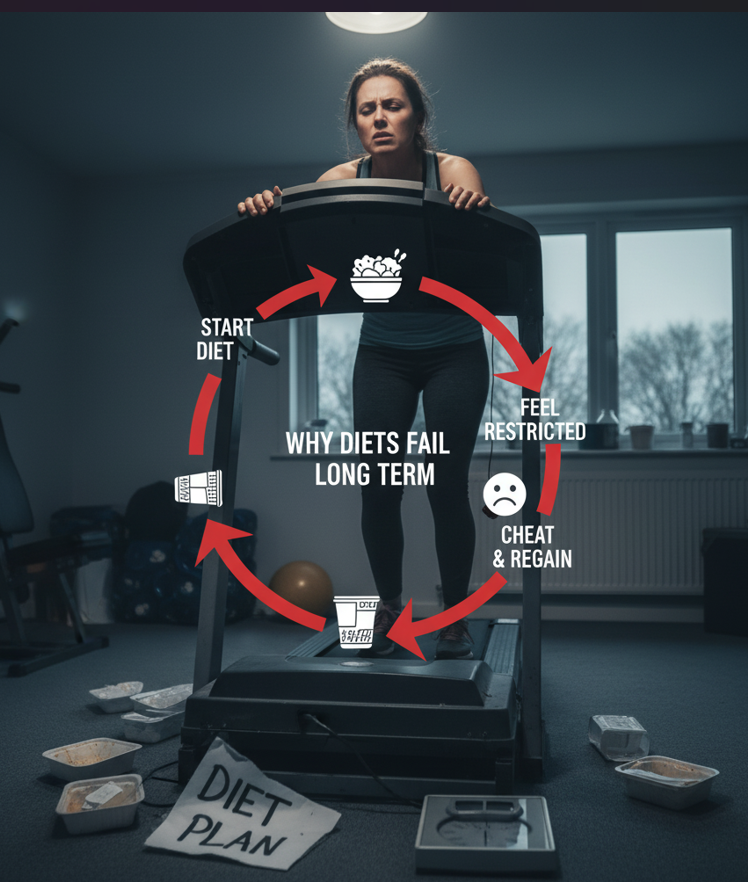
The Three Core Reasons Why Diets Fail Long Term
The vast majority of conventional diets—from extreme fasting to severe calorie restriction—are simply unsustainable. Here are the three pillars explaining why diets fail long term:
1. The Psychological Backlash: Restriction Breeds Rebellion
The moment a food or food group is labeled “forbidden,” it becomes overwhelmingly desirable. This is the why diets fail long term paradox: the more you try to exert control, the less control you ultimately have. Highly restrictive diets create a scarcity mindset, leading to obsessive thoughts about food. Once the initial willpower inevitably wanes, this psychological pressure often results in uncontrollable binges. The shame and guilt that follow perpetuate the cycle, confirming the belief that these short-term solutions are the main reason why diets fail long term.
2. Metabolic Adaptation: The Body Fights Back
Your body is not a static calorie-burning machine; it’s a brilliant survival mechanism. When you drastically cut calories, your metabolism slows down—a process known as metabolic adaptation. Your body perceives starvation and gets ruthlessly efficient at using fewer calories to perform the same functions.
Initially, you might see quick weight loss, but your body is setting you up for failure. By the time you reach your goal weight (or simply get tired of being hungry), you now need significantly fewer calories to maintain that weight than a person who got there via a less restrictive, slower approach. When you try to eat “normally” again, the weight piles back on, making this metabolic defense a primary reason why diets fail long term.
3. Lack of Life Integration: The "Off-Ramp" Problem
A diet that requires you to carry six specific containers of food, eliminate social gatherings, or entirely avoid your favorite restaurant is a diet with no future. A key component of understanding why diets fail long term is recognizing that they are often temporary measures with a defined endpoint. Once the diet is “over,” people don’t know how to transition back to a normal life without regaining the weight, confirming that these quick-fix strategies are one of the main reasons why diets fail long term. The ultimate goal isn’t to be on a diet; it’s to live a healthy life.
The Solution: A Sustainable Lifestyle That Works
If the restrictive diet model is the main reason why diets fail long term, what’s the alternative? The successful approach focuses on creating a flexible, positive, and integrated lifestyle.
1. Master the Mindset: Plan Ahead and Practice Mindful Eating
Success is rarely a spontaneous event; it’s the result of preparation. The ability to plan ahead is one of the most powerful predictors of long-term health success. This means:
- Meal Prep: Spend an hour or two on Sunday preparing healthy lunches or portioning out snacks. This ensures you always have a nutritious option ready when hunger strikes.
- Meal Strategy: Before heading to a restaurant or social event, look at the menu and decide what you will order. Don’t wait until you’re starving and overwhelmed.
Beyond preparation, practice mindful eating. This involves paying full attention to the experience of eating—the smells, tastes, and textures of your food.
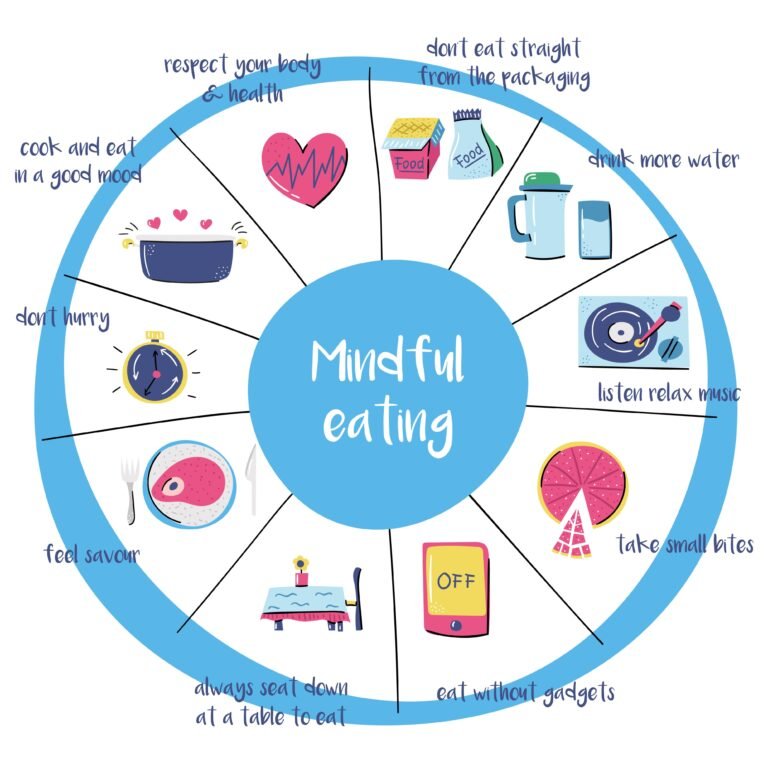
Slow down and ask yourself: Am I truly hungry? Am I satisfied? This crucial practice helps you recognize your body’s natural satiety cues, preventing overeating and addressing the psychological distress that often makes us wonder why diets fail long term. Shifting from a punitive focus on restriction to a positive focus on preparation and presence is a necessary step away from the reasons why diets fail long term.
2. Embrace All Macronutrients, Especially Healthy Fats
Many fad diets demonize entire food groups. For decades, fat was the villain, yet we now know that quality matters most. Incorporating healthy fats is essential for long-term satiety, brain health, and hormone regulation. Sources like avocados, nuts, seeds, olive oil, and fatty fish (like salmon) slow digestion, helping you stay full for hours and making restrictive snacking unnecessary—another factor contributing to why diets fail long term. A diet too low in fat, for example, is often one of the significant reasons why diets fail long term for many people.
3. The 80/20 Rule: Incorporating Favorite Foods and Flexibility
The idea that you must never eat pizza, ice cream, or chips again is one of the most common reasons why diets fail long term. The sustainable approach embraces the 80/20 principle:
- 80% of the time: Focus on whole, nutrient-dense foods (vegetables, lean protein, whole grains, healthy fats).
- 20% of the time: Intentionally and mindfully incorporate your favorite foods.
This flexibility is key. It removes the psychological pressure of deprivation. Instead of “going off the rails” and abandoning all progress, you simply enjoy your favorite foods without guilt. This prevents the all-or-nothing mentality that is a significant part of why diets fail long term.
Rethinking Cheat Meals: Planned Indulgence
The term “cheat meals” itself implies deceit and moral failure. Instead of a “cheat,” think of it as a “planned indulgence” or a “flex meal.” This small, weekly inclusion—decided upon and accounted for—acts as a powerful psychological release valve.
- The Difference: A true cheat meal often leads to an entire “cheat day” or “cheat week.” A planned indulgence, however, is a controlled part of your overall strategy. It allows you to enjoy social events and your favorite foods without disrupting your metabolism or feeling deprived.
By giving yourself permission to enjoy favorite foods via a structured approach, you eliminate the underlying stress that leads to the massive rebound effect, which is one of the main factors why diets fail long term. This approach, unlike a restrictive diet, is compatible with every occasion, ensuring it’s a strategy you can maintain forever. When people ask why diets fail long term, the answer is often their lack of a structured, flexible eating component.
Moving Forward: The Final Word on Why Diets Fail Long Term
The answer to why diets fail long term is rooted in the rigidity, restriction, and temporary nature of the programs themselves. You don’t need a new diet; you need a new framework.
To escape the cycle, stop searching for the next quick fix. Instead, commit to these sustainable habits: plan ahead to ensure consistent success, practice mindful eating to reconnect with your body’s signals, prioritize healthy fats and whole foods, and use the 80/20 rule to include your favorite foods (replacing the concept of punitive cheat meals). This isn’t a 12-week program; it’s the rest of your healthy life. Commit to consistency over perfection, and you will finally achieve the lasting results you deserve.
Frequently Asked Questions
1. Why do I always regain the weight, even after a successful diet?
The main reason is that diets fail long term due to metabolic adaptation and psychological backlash. Severe restriction forces your body to slow its metabolism. When you return to “normal” eating, your slower metabolism can’t handle the previous calorie level, leading to rapid weight regain. The psychological feeling of deprivation also often leads to uncontrollable overeating.
2. How can I practice mindful eating without obsessing over food?
Mindful eating is about presence, not perfection. Start by eliminating distractions (put away the phone) and slowing down. Chew your food thoroughly, savor the flavors, and frequently check in with your body: Am I truly hungry, or just bored? Am I satisfied yet? This helps you recognize your body’s natural “stop” signal, which restriction often dulls.
3. Should I completely eliminate my favorite foods to lose weight sustainably?
Absolutely not. Eliminating favorite foods is one of the biggest reasons why diets fail long term. Sustainable success comes from the 80/20 rule: eating whole, nutrient-dense foods 80% of the time, and intentionally enjoying your favorite indulgences (replacing the guilt-ridden idea of cheat meals) 20% of the time. This flexibility prevents the feeling of deprivation and the eventual binge.