
Protein is one of the most talked-about nutrients in the fitness and health world. From weight loss plans to muscle-building programs, everyone seems to stress the importance of protein. But how much protein do you actually need? Is more always better, or can too much protein do harm?
Let’s break down the truth about protein intake in a simple, beginner-friendly way so you can fuel your body correctly without confusion.
Why Protein Is Important for Your Body
Protein is essential for almost every function in your body. It helps to:
Build and repair muscles
Support metabolism
Keep you full for longer
Maintain healthy skin, hair, and nails
Strengthen immunity
Without enough protein, your body may feel tired, weak, and slow to recover from daily activities or workouts.
Protein Intake for Beginners: Start Simple

If you’re new to nutrition, protein advice can feel overwhelming. The truth is, you don’t need extreme diets or expensive supplements to meet your needs.
For protein intake for beginners, focus on whole foods like:
Eggs
Lentils and beans
Milk, yogurt, and paneer
Fish and chicken
Nuts and seeds
Consistency matters more than perfection. Eating balanced meals throughout the day is better than trying to overload protein in one meal.
Protein Intake by Body Weight (The Real Formula)

One of the most accurate ways to understand protein needs is by body weight.
How to Calculate Protein Needs
A general guideline is:
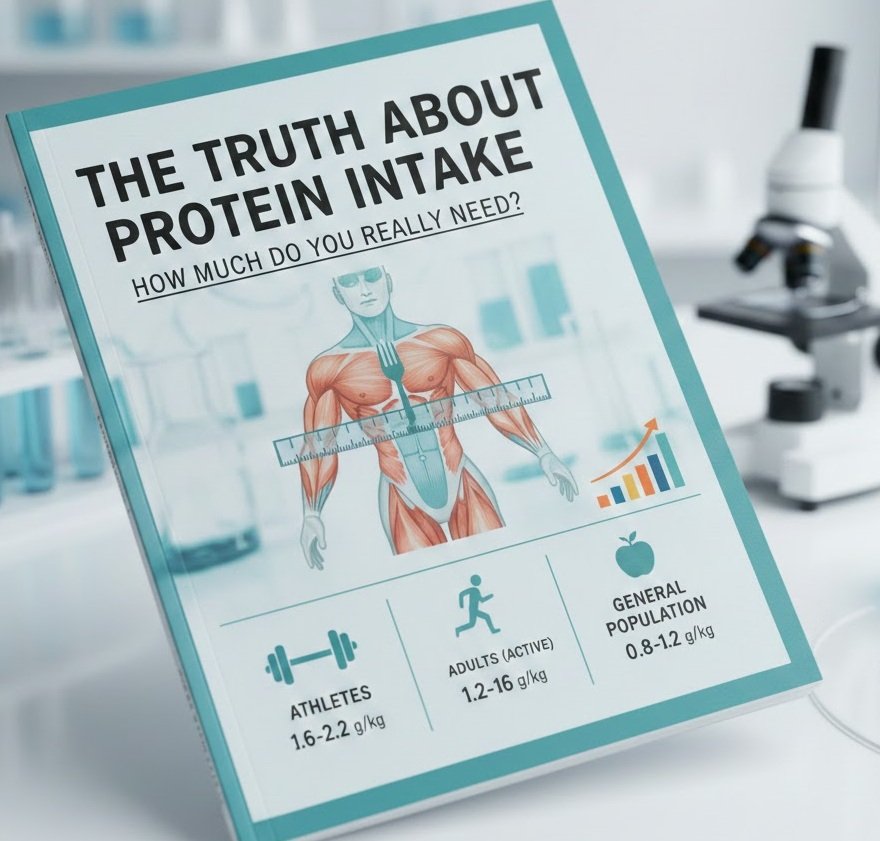
0.8 grams per kg of body weight (for inactive people)
1.2–1.6 grams per kg (for active individuals)
1.6–2.2 grams per kg (for fat loss or muscle gain goals)
Example:
If your weight is 70 kg:
Minimum protein = 70 × 0.8 = 56 grams/day
For fat loss = 70 × 1.6 = 112 grams/day
This method gives a clear picture of protein intake by body weight, not guesswork.
Daily Protein Intake for Weight Loss
Protein plays a major role in weight loss because:
It increases satiety (you feel full longer)
It reduces cravings
It preserves muscle while losing fat
It slightly boosts calorie burn
For daily protein intake for weight loss, aim for the higher end of your protein range while staying in a calorie deficit.
⚠️ Important: Protein alone won’t cause weight loss. It works best when combined with:
Portion control
Strength training
Proper sleep
The Truth About Protein Intake Myths
Let’s clear some common misconceptions:
More protein means faster results
Too much protein doesn’t equal better results. Excess protein can be stored as fat if calories are too high.
Protein damages kidneys
For healthy individuals, normal protein intake is safe. This myth mostly applies to people with existing kidney issues.
You must use supplements
Supplements are optional. Whole foods can easily meet your daily protein needs.
Best Ways to Spread Protein Throughout the Day

Instead of eating all your protein at once, spread it evenly:
Breakfast: eggs, yogurt
Lunch: dal, chicken, tofu
Snack: nuts, milk
Dinner: fish, paneer
This helps with digestion, muscle repair, and energy levels.
Signs You May Not Be Eating Enough Protein
Watch out for these signs:
Constant hunger
Muscle loss
Weak nails or hair fall
Slow recovery from workouts
Low energy
If you notice these, your protein intake for beginners may be too low.
Final Thoughts: How Much Protein Do You Really Need?
The truth about protein intake is simple: your body needs the right amount, not the maximum amount. Your age, activity level, weight, and goals matter more than trends.
Focus on:
✔ Calculating protein by body weight
✔ Choosing whole foods
✔ Staying consistent
✔ Avoiding extreme diets
When balanced properly, protein becomes a powerful tool for better health, sustainable weight loss, and long-term wellness.