
Personal health management is undergoing a major transformation in 2026. Thanks to rapid advancements in artificial intelligence and smart technology, people are now able to monitor, understand, and improve their health from the comfort of their homes. What once required frequent doctor visits and manual tracking is now handled by intelligent devices that provide real-time insights.
From wearable technology to connected medical tools, AI health monitoring systems are empowering individuals to take control of their well-being. Devices like the medical smartwatch, smart scale body fat analyzer, and bluetooth blood pressure cuff are no longer luxury gadgets—they are becoming essential tools for everyday health management.
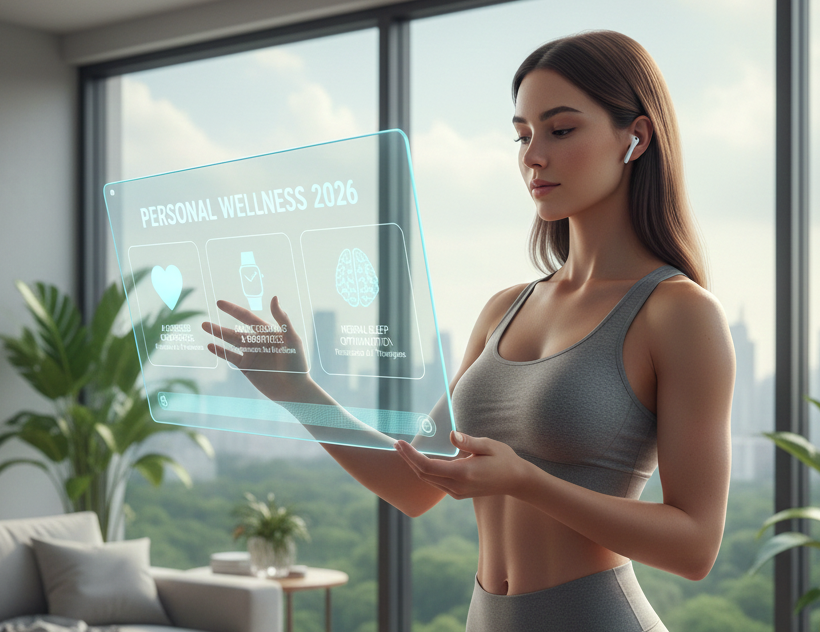
How AI Health Monitoring Is Transforming Daily Wellness
AI health monitoring uses machine learning algorithms to analyze health data collected from smart devices. These systems do more than just track numbers—they identify patterns, predict risks, and offer personalized health recommendations.
A medical smartwatch is one of the most powerful tools in this transformation. It tracks heart rate, sleep cycles, oxygen levels, stress indicators, and physical activity throughout the day. In 2026, these smartwatches are smarter than ever, using AI to detect irregular heart rhythms, alert users about potential health concerns, and encourage healthier habits.
Another important device is the smart scale body fat analyzer. Unlike traditional weighing scales, smart scales measure body fat percentage, muscle mass, bone density, and water levels. By syncing with AI-powered health apps, these scales help users understand their body composition trends rather than focusing only on weight.
AI also plays a major role in preventive care. By analyzing long-term data, AI health monitoring systems can identify early warning signs and suggest lifestyle changes before problems become serious. This shift from reactive to preventive healthcare is one of the biggest benefits of AI in personal health.
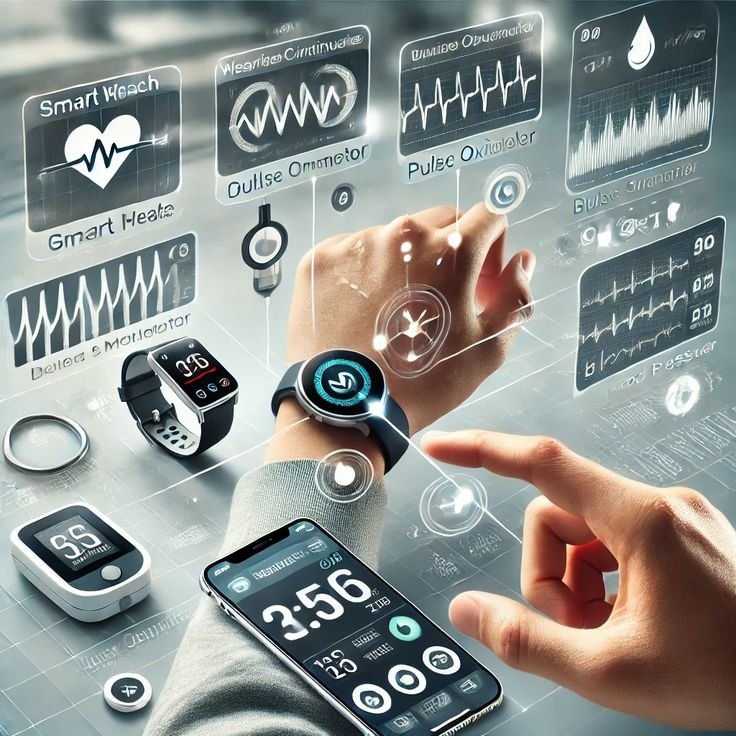
Smart Medical Devices Making Home Health Care Smarter
Smart medical devices are bringing hospital-level monitoring into homes. One of the most impactful tools is the bluetooth blood pressure cuff. These devices automatically record blood pressure readings and sync them with mobile apps, making it easy to track trends and share reports with healthcare professionals.
For people managing chronic conditions such as hypertension or heart disease, a bluetooth blood pressure cuff combined with AI analysis provides accurate insights and timely alerts. This reduces the need for frequent clinic visits and helps patients stay consistent with monitoring.
Smart devices are also improving accuracy and convenience. AI filters out incorrect readings, reminds users to take measurements, and even suggests optimal times for monitoring. When paired with a medical smartwatch, users get a complete picture of their cardiovascular health.
In 2026, smart health ecosystems are becoming more connected. Data from a smart scale body fat device, a medical smartwatch, and a bluetooth blood pressure cuff can all be integrated into one AI health monitoring platform. This creates a holistic view of personal health, making it easier to set goals, track progress, and make informed decisions.
Importantly, these technologies are designed to be user-friendly. Simple interfaces, visual reports, and clear insights make smart health tools accessible to people of all ages—not just tech experts.

Final Thoughts
AI and smart devices are redefining how people manage their health in 2026. With tools like AI health monitoring systems, medical smartwatches, smart scale body fat analyzers, and bluetooth blood pressure cuffs, individuals can take a proactive approach to wellness. These technologies make health tracking more accurate, personalized, and convenient, helping users make better lifestyle choices and stay informed about their bodies. As innovation continues, personal healthcare will become smarter, more connected, and more preventive than ever before.
Frequently Asked Questions (FAQs)
1. What is AI health monitoring?
AI health monitoring uses artificial intelligence to analyze health data from smart devices and provide insights, alerts, and personalized recommendations.
2. How does a medical smartwatch help in daily health tracking?
A medical smartwatch tracks vital signs like heart rate, sleep, activity levels, and stress, helping users monitor their overall health continuously.
3. What does a smart scale body fat analyzer measure?
A smart scale body fat analyzer measures body fat percentage, muscle mass, bone density, and other body composition metrics beyond just weight.
4. Is a bluetooth blood pressure cuff accurate?
Yes, most bluetooth blood pressure cuffs are clinically tested and provide accurate readings when used correctly and consistently.
5. Are smart health devices safe to use at home?
Yes, smart health devices are designed for home use and are generally safe, but they should complement—not replace—professional medical advice.