
Sustainable weight loss is not about extreme dieting or skipping meals — it’s about choosing the right foods that keep you full, energized, and nourished. This is where low-calorie high-fiber foods play a powerful role. They help reduce hunger, support digestion, and naturally control calorie intake without making you feel deprived.
If you’re searching for the best diet for sustained weight loss, adding fiber-rich, low-calorie meals to your daily routine is one of the smartest and most science-backed strategies. These foods allow you to eat satisfying portions while still maintaining a calorie deficit — the key to losing weight in a healthy and long-term way.
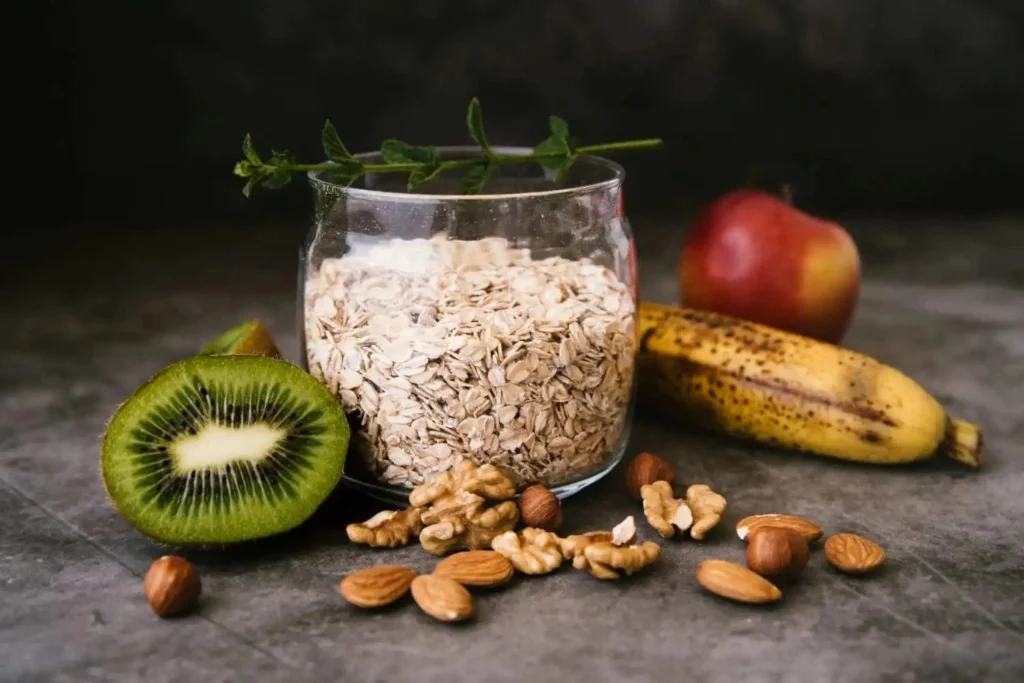
Why Low-Calorie High-Fiber Foods Are the Foundation of Sustainable Diets for Weight Loss
Fiber is a type of carbohydrate that your body cannot fully digest. Instead of being absorbed, it slows down digestion, stabilizes blood sugar levels, and keeps you feeling full for longer periods. This is extremely helpful when you’re trying to lose weight without constantly feeling hungry.
Low-calorie meals that are rich in fiber provide volume without excess energy. In simple words, you can eat more food while consuming fewer calories.
Here’s why this combination works so well:
Fiber increases satiety and reduces overeating
Low-calorie density supports fat loss
Improved digestion helps reduce bloating
Balanced blood sugar prevents cravings
Supports gut health and metabolism
This approach is not a short-term fix — it’s one of the most effective sustainable diets for weight loss because it fits easily into everyday life.
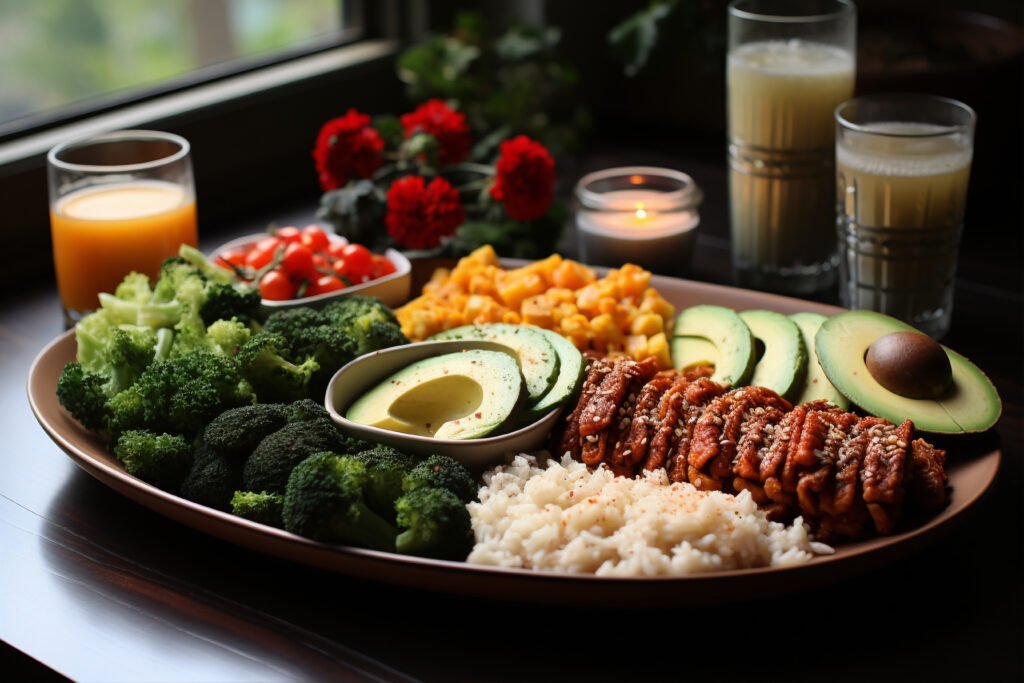
Best Low-Calorie High-Fiber Foods to Add to Your Diet
Let’s look at some of the most effective foods that promote long-term weight management while keeping your meals delicious and satisfying.
1. Oats
Oats are one of the best high-fiber foods for breakfast or dinner. They contain soluble fiber that helps control appetite and improve heart health. A small bowl keeps you full for hours.
2. Lentils
Lentils are rich in both protein and fiber while being naturally low in calories. They are perfect for soups, salads, and healthy low-calorie meals.
3. Chia Seeds
These tiny seeds absorb water and expand in your stomach, helping you feel full quickly. They are ideal for smoothies, yogurt, or overnight oats.
4. Broccoli
Broccoli is extremely low in calories and packed with fiber, vitamins, and antioxidants. It adds volume to your meals without increasing calorie intake.
5. Apples
Apples are one of the most convenient fiber-rich snacks. Their natural sweetness helps control sugar cravings while supporting digestion.
6. Quinoa
Quinoa is a great alternative to refined grains. It provides fiber, plant-based protein, and long-lasting energy.
7. Carrots
Crunchy, low in calories, and high in fiber, carrots are perfect for snacking or adding to salads and stir-fries.
8. Sweet Potatoes
They are rich in fiber and complex carbohydrates that keep you energized and satisfied for longer periods.
9. Beans
Black beans, kidney beans, and chickpeas are excellent for creating filling and nutritious low-calorie meals.
10. Leafy Greens
Spinach, kale, and lettuce are extremely low in calories but high in fiber and micronutrients, making them essential for weight loss diets.
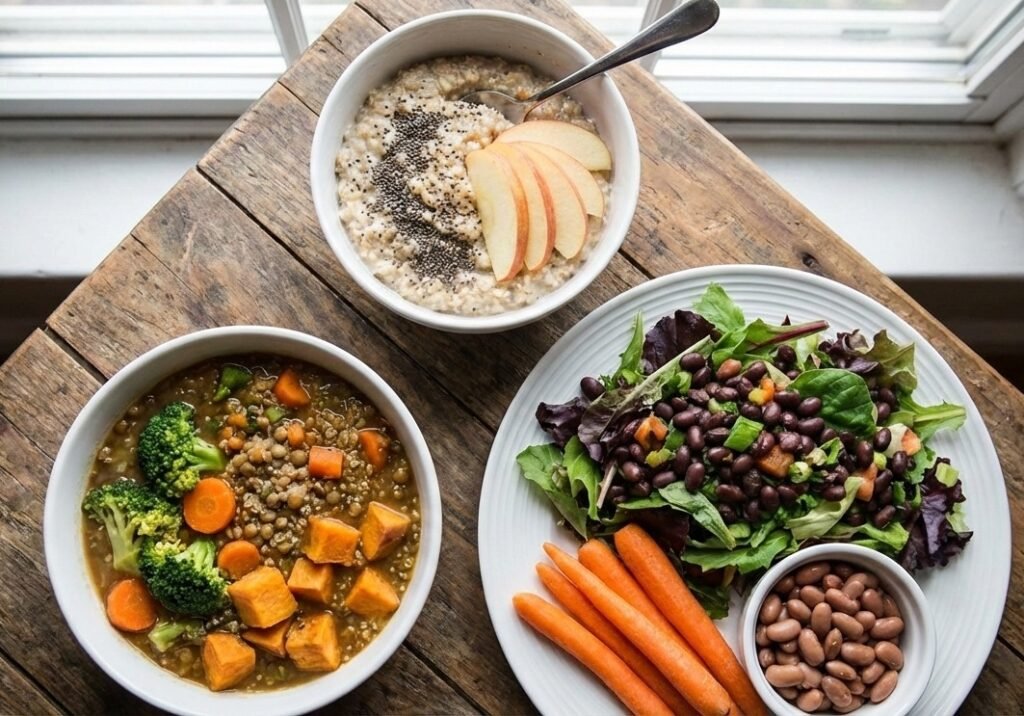
Key Points & Benefits of Low-Calorie High-Fiber Foods
Keep you full for a longer time
Naturally reduce total calorie intake
Improve gut health and digestion
Help control emotional and late-night eating
Stabilize blood sugar levels
Support long-term fat loss instead of quick fixes
Easy to include in everyday low-calorie meals
Promote heart health and overall wellness
How to Build Low-Calorie Meals for Long-Term Success
Creating balanced meals doesn’t have to be complicated. The goal is to combine fiber with protein and healthy fats so your body gets complete nutrition.
A simple formula for a sustainable weight loss meal:
Half plate: fiber-rich vegetables
One quarter: lean protein (lentils, beans, tofu, chicken, or fish)
One quarter: complex carbs (oats, quinoa, sweet potato)
Add a small portion of healthy fats (nuts, seeds, olive oil)
This structure helps you stay full, avoid energy crashes, and maintain consistency — which is the real secret behind the best diet for sustained weight loss.
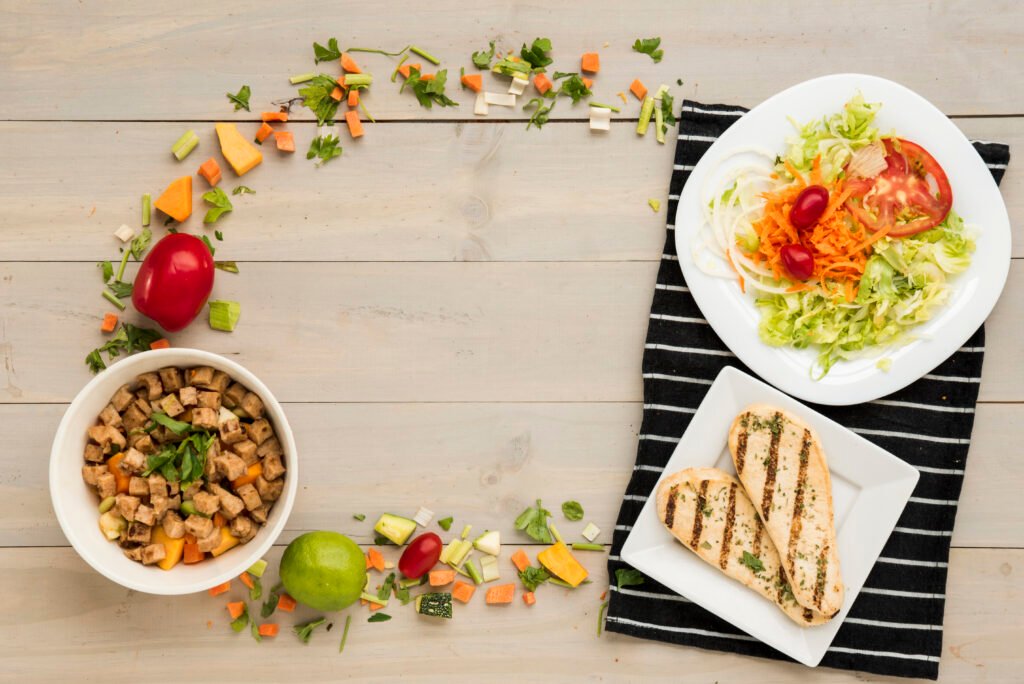
Smart Tips for Following a Sustainable High-Fiber Diet
Increase fiber intake gradually to avoid bloating.
Drink plenty of water to help fiber work effectively.
Choose whole foods instead of processed “diet” products.
Plan your meals in advance to avoid unhealthy choices.
Include a variety of fiber sources for better gut health.
Why Sustainable Diets Work Better Than Crash Diets
Crash diets may show quick results, but they often lead to fatigue, muscle loss, and weight regain. On the other hand, a diet based on low-calorie high-fiber foods:
Supports natural fat loss
Keeps your metabolism active
Provides steady energy
Is easy to maintain for life
You don’t need to starve yourself — you just need to eat smarter.

Final Thoughts
If your goal is long-term health and real, lasting weight loss, then focusing on low-calorie high-fiber foods is one of the most effective strategies. They allow you to enjoy satisfying meals, reduce cravings, and stay energized throughout the day.
The journey to sustainable weight loss is not about eating less — it’s about eating right. Start by adding more fiber-rich foods to your plate, building balanced low-calorie meals, and following a realistic routine you can maintain for years.
Small daily choices create big long-term results. And with the right approach, healthy eating becomes not just a diet — but a lifestyle