
The modern world, with its relentless pace and constant digital noise, has brought with it an undeniable rise in the rates of anxiety and depression. It is a quiet epidemic that affects millions, often making the simplest daily tasks feel insurmountable. But what if one of the most powerful, side-effect-free treatments was already available to you? What if the key to greater emotional resilience and well-being wasn’t a pill, but a pair of running shoes?
At The Health Clubs, we believe in a holistic approach to wellness, one that recognizes the inseparable link between physical and mental health. This comprehensive guide delves into the profound, clinically proven ways in which physical movement serves as a vital tool in managing, reducing, and even preventing the crippling symptoms of anxiety and depression.

The Neurochemical Shield: What Happens When You Move?
To understand how exercise tackles anxiety and depression, we must look inside the brain. These conditions are often characterized by imbalances in crucial neurotransmitters like serotonin, norepinephrine, and dopamine. When you engage in physical activity, your body doesn’t just build muscle; it actively rebuilds your brain’s emotional infrastructure.
The Endorphin Rush: A Natural Antidepressant
The most famous benefit is the release of endorphins—your body’s natural opioid peptides. These chemicals produce a sense of well-being and act as mild pain relievers, creating the so-called “runner’s high.” But the effect is more than just temporary euphoria; consistent release helps to elevate overall mood.
Boosting Neurogenesis and Brain Repair
Perhaps the most exciting finding is exercise’s role in neurogenesis—the creation of new brain cells. High-intensity exercise promotes the production of Brain-Derived Neurotrophic Factor (BDNF). Often dubbed “Miracle-Gro for the brain,” BDNF helps protect existing neurons and encourages the growth of new ones, particularly in the hippocampus, the brain region responsible for memory and emotion, which often shrinks in individuals battling chronic anxiety and depression.
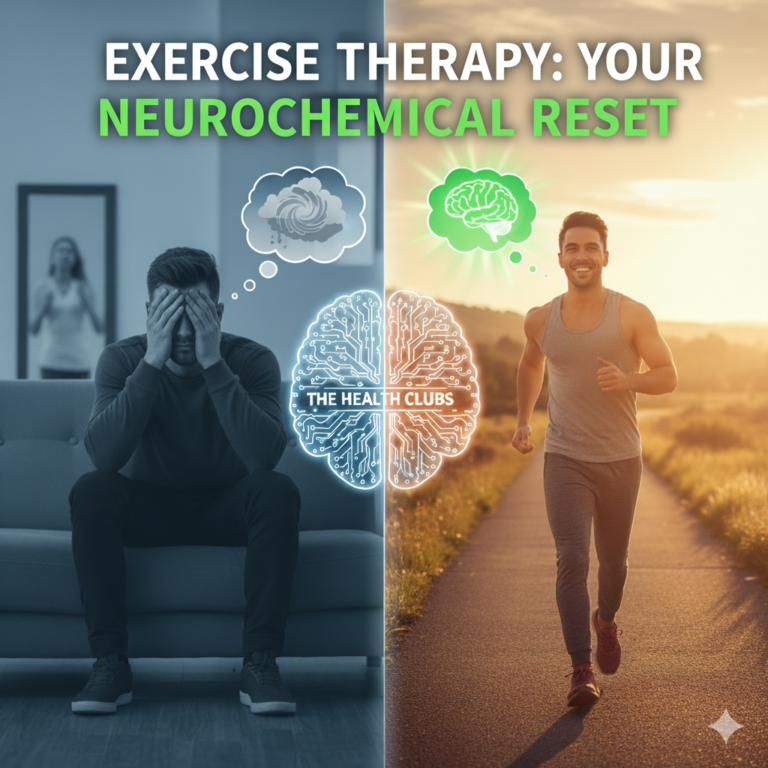
Exercise Therapy: The Clinical Power of Movement
For decades, medical professionals have recognized the tangible benefits of exercise, moving it beyond a general wellness recommendation and into the realm of structured treatment. This is where the term exercise therapy comes into play.
In clinical settings, exercise therapy is often prescribed alongside or as an alternative to traditional treatments for mild to moderate symptoms of anxiety and depression. The effectiveness stems from its ability to provide a constructive, focused outlet for emotional energy. Instead of being consumed by the spiral of anxious thoughts, the mind is anchored in the present physical task—the rhythm of breathing, the coordination of movement, or the effort required to finish a set.
Structured programs of exercise therapy, which may involve aerobic activities, strength training, or mindful movement like yoga, have been shown to be highly effective in managing and reducing symptoms. It’s a form of exercise therapy that empowers the individual, shifting them from a passive recipient of treatment to an active participant in their own recovery. The predictability and control offered by a routine exercise therapy schedule can provide a much-needed antidote to the feeling of chaos that often accompanies chronic anxiety.
Building Mental Fitness: Resilience Through Repetition
The benefits of exercise extend far beyond neurochemistry; they fundamentally reshape your psychology. This is the essence of mental fitness.
Cultivating Self-Efficacy
When you set a goal—whether it’s running for 20 minutes straight or lifting a new personal best—and achieve it, you build self-efficacy. This psychological concept refers to your belief in your own ability to succeed in specific situations. For individuals with anxiety and depression, feelings of helplessness and worthlessness are common. Exercise provides incremental, measurable wins that directly challenge those negative self-perceptions.
The Practice of Mindfulness
Though often associated with meditation, every workout is an opportunity for a different kind of mindfulness. Focusing on your form during strength training, listening to the cadence of your feet on a run, or coordinating your breath in a cycling class forces your mind to stay in the moment. This ‘active mindfulness’ distracts you from worry loops and anxious rumination, dramatically improving your mental fitness. By conquering physical challenges, you train your mind to be stronger, more resilient, and better equipped to face emotional challenges—a true testament to comprehensive mental fitness.
The Untapped Potential: The Power of Social Interaction
While solo workouts offer significant benefits, joining a class or a group activity adds another powerful layer of defense against anxiety and depression: the vital element of social interaction.
Loneliness and isolation are massive contributors to the deepening of depressive states. Group fitness classes, team sports, or simply having a gym buddy, automatically combat this isolation. These settings provide low-pressure opportunities for social interaction, often without the demanding cognitive load of a typical social event.
For someone struggling with anxiety, a group class offers structure and a shared, positive goal. The simple act of showing up and being acknowledged by a trainer or a fellow member provides validation and a sense of belonging. This regular social interaction is critical. Research shows that exercise performed in a social setting can often lead to greater adherence and more pronounced emotional benefits than solo workouts. The sense of community fostered at places like The Health Clubs is a foundational pillar of lasting mental fitness.
Your Action Plan: Incorporating Exercise into Your Life
Ready to turn movement into medicine? Here are practical, actionable steps to harness the power of exercise therapy to combat anxiety and depression:
- Start Small, Stay Consistent: The most important variable is consistency, not intensity. A 10-minute brisk walk every day is infinitely better than a two-hour marathon once a month.
- Find Your Flow: Not all exercise is equal for everyone. If running feels like a chore, try swimming, dancing, or rock climbing. The best activity is the one you will consistently do.
- Schedule It: Treat your workout like an important medical appointment. Block out the time in your calendar for your exercise therapy. This reinforces its importance to your mental fitness.
- Embrace the Group: Actively seek out opportunities for social interaction. Try a yoga class, join a walking club, or partner up with a friend for resistance training. The accountability and connection make a huge difference.
Conclusion
The fight against anxiety and depression is complex, but the evidence is overwhelmingly clear: exercise is a crucial, non-negotiable component of a recovery and prevention strategy. By engaging in regular physical activity, you are not just caring for your body; you are actively optimizing your brain chemistry, building psychological resilience, and fostering meaningful social interaction.
Take the step today. Reclaim your well-being, sharpen your mental fitness, and prove to yourself the incredible power you hold to change your state, one workout at a time. Your journey to a healthier mind starts now.
Frequently Asked Questions
1. How quickly can I expect exercise to help with my anxiety and depression?
You might feel the mood boost of endorphins immediately after a single workout. However, noticeable, sustained improvements in managing anxiety and depression symptoms usually take 4 to 6 weeks of consistent exercise therapy. The key is regularity; even 30 minutes of moderate activity, three to five times a week, can lead to significant positive changes in your mental fitness over time.
2. What is the best type of exercise to combat anxiety and depression?
The “best” exercise is the one you will actually stick with! For fighting anxiety and depression, a mix of aerobic exercise (like running, swimming, or dancing) and resistance training (lifting weights) is ideal, as both directly impact brain chemistry. Activities that encourage social interaction, like group classes or team sports, add another powerful layer of benefit by combating isolation.
3. Do I need intense workouts to get the benefits for my mental fitness?
Absolutely not. High-intensity exercise certainly releases more endorphins, but even low-to-moderate activities like brisk walking, yoga, or gardening provide substantial benefits for mental fitness. Consistency and establishing a routine for your exercise therapy are far more important than intensity when treating symptoms of anxiety and depression. Start where you are comfortable and build up slowly.