

Have you ever asked yourself, “How do I get a Good Night’s Sleep?” You’re not alone. Millions of people face restless nights, tossing and turning, or waking up drained. Sleep isn’t just about rest — it’s the foundation of health, productivity, and mental balance. In this blog, we explore the science of sleep, the obstacles that prevent quality rest, and proven strategies (including sleep supplements and stress management) to help you sleep good at night.

The Science of Sleep
Sleep consists of repeating cycles of non-REM (light and deep sleep) and REM sleep. Deep sleep restores the body, while REM sleep enhances memory, learning, and emotional regulation. Disruptions in these stages reduce the quality of a Good Night’s Sleep.
Circadian Rhythm and Hormones
Your circadian rhythm — the body’s internal clock — regulates sleep and wakefulness. Hormones like melatonin promote drowsiness at night, while cortisol helps you wake refreshed. Irregular schedules, late-night screens, or stress can throw this system off balance.

Why a Good Night’s Sleep Feels Elusive
Stress and Mental Health
One of the biggest barriers is stress. Anxiety, overthinking, and depression keep the brain active when it should relax. The link between stress, mental health, and sleep is a two-way street: poor sleep worsens stress, while stress disrupts sleep.
Poor Sleep Hygiene
Uncomfortable bedding, too much noise, late caffeine, or irregular bedtimes are common habits that sabotage rest. Even scrolling on your phone before bed can delay melatonin release, making it harder to sleep.
How to Sleep Good at Night: Evidence-Based Tips
1. Keep a Consistent Schedule
Go to bed and wake up at the same time daily — even on weekends. Consistency trains your body to expect rest at the right time.
2. Create the Perfect Sleep Environment
- Keep your bedroom dark, cool, and quiet.
- Use blackout curtains or an eye mask.
- Invest in a supportive mattress and pillows.
- Consider white-noise machines if external sounds disturb you.
3. Build a Relaxing Routine
Wind down 30–60 minutes before bed:
- Read a book instead of scrolling.
- Practice meditation, breathing exercises, or gentle stretching.
- Dim the lights to cue your brain that sleep is near.
4. Daytime Habits That Improve Night Sleep
- Get morning sunlight to reset your circadian rhythm.
- Exercise regularly, but not right before bed.
- Avoid heavy meals or caffeine late in the evening.

Sleep Supplements: Do They Work?
Many people turn to sleep supplements to achieve better rest. Here are the most researched options:
- Melatonin: Useful for jet lag or shift workers, but best in small doses.
- Magnesium: Helps relax muscles and calm the nervous system.
- L-Theanine: Promotes relaxation without sedation.
- Herbal aids: Chamomile, valerian root, and ashwagandha have traditional use, though scientific support varies.
Tip: Always consult a doctor before adding supplements, especially if you’re on medications or have health conditions.
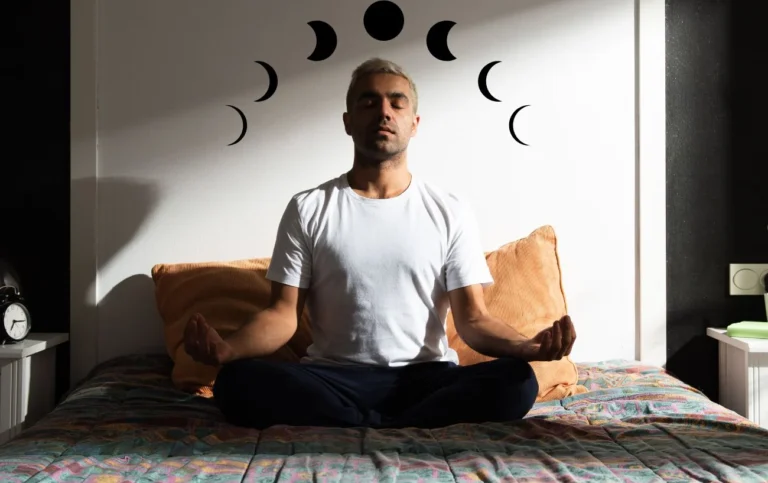
Stress, Mental Health, and Sleep
Quality sleep and mental health are inseparable. Poor sleep increases risks of anxiety, depression, and mood swings. Conversely, addressing mental health improves rest.
Proven practices:
- Cognitive Behavioral Therapy for Insomnia (CBT-I) is highly effective for chronic sleep issues.
- Mindfulness meditation reduces stress and prepares the brain for rest.
- Journaling before bed helps “empty” the mind of worries.
A Sample Nightly Routine
- 8:30 PM: Dim lights, switch off devices.
- 9:00 PM: Gentle stretching or meditation.
- 9:30 PM: Read a book or write in a journal.
- 10:00 PM: Lights out.
- 6:30 AM: Wake up and get natural sunlight.
This rhythm supports deep, consistent rest and strengthens your circadian cycle.

When to See a Doctor
If you notice constant fatigue, loud snoring, pauses in breathing, or insomnia lasting weeks, seek professional help. These may indicate underlying conditions like sleep apnea or chronic insomnia.
Conclusion
Achieving a Good Night’s Sleep requires more than just closing your eyes. It’s a science-driven process shaped by your routines, environment, mental health, and sometimes supplements. By making small changes — from reducing stress to creating a bedtime ritual — you can transform restless nights into truly restorative sleep.
For more wellness tips, explore related guides on TheHealthClubs.com, covering topics like stress management, mental health practices, and nutrition for better sleep.
Q: What is considered a good night’s sleep?
A: A good night’s sleep typically lasts 7–9 hours for adults, includes multiple sleep cycles (light, deep, REM), and leaves you feeling refreshed and alert in the morning.
Q: How can I sleep good at night consistently?
A: Maintain a regular sleep schedule, create a calm bedtime routine, optimize your sleep environment (dark, quiet, cool), and avoid stimulants like caffeine before bed.
Q: Do sleep supplements really work?
- A: Certain supplements, like melatonin, magnesium, and herbal aids (chamomile, valerian), can improve sleep quality for some people. However, consult a doctor before starting any supplement regimen.