
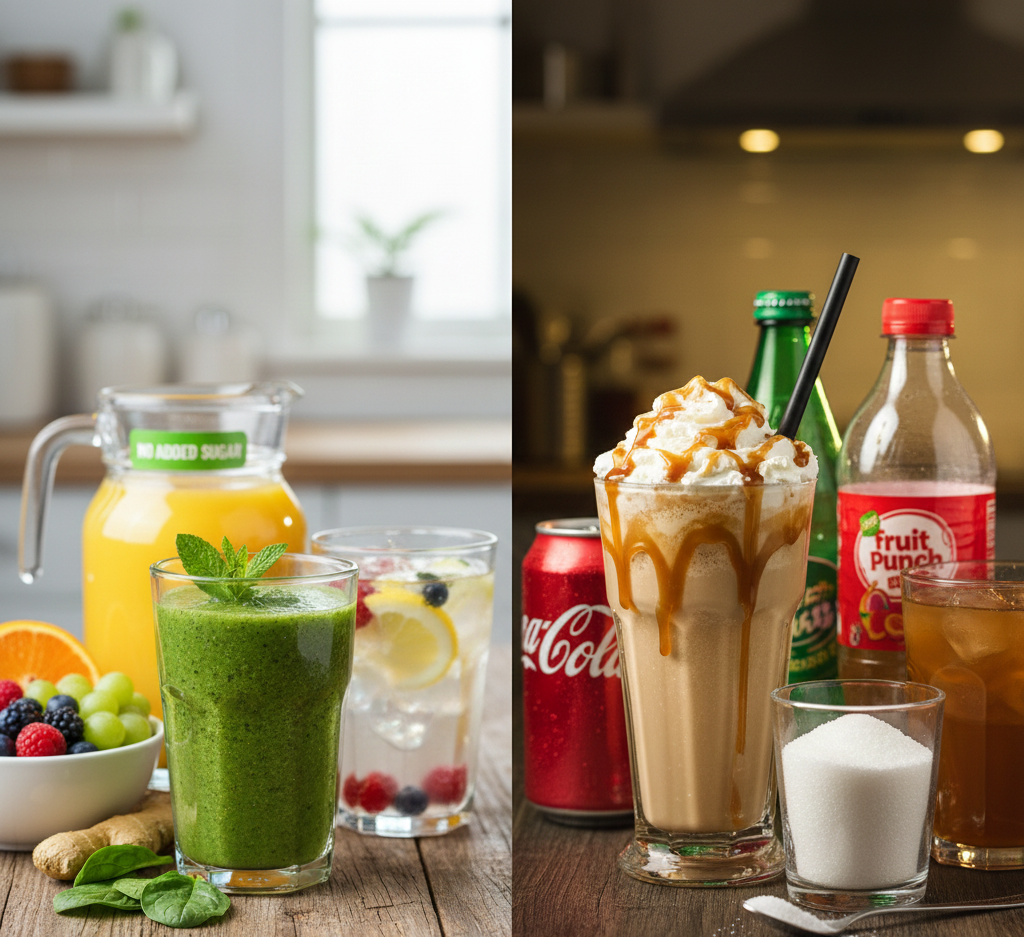
Most people pick up healthy drinks thinking they’re making a smart choice. After all, words like natural, fresh, organic, and no added sugar appear to scream health and wellness. But the truth is, many of these drinks are loaded with hidden sugars that can be just as harmful as sodas and sweetened beverages.
In this blog, we’ll break down what these hidden sugars are, why they matter, and how you can make better drink choices without sacrificing taste.
1.Why Hidden Sugars Are a Big Problem
Sugar isn’t harmful in itself—your body needs some amount for energy. The real issue begins when you consume more sugar than your body can process, especially from drinks. Liquids are absorbed faster than solid foods, which means sugary drinks cause quick spikes in blood glucose, leading to fatigue, cravings, and long-term health risks.
You might think you’re avoiding excess sugar by skipping soft drinks, but many popular “healthy” drinks contain equal or even more sugar than a can of soda.
2. Fruit Juices: Natural, But Still Sugary
Fruit juices are often marketed as wholesome and nutritious. And while they do contain vitamins, they also carry concentrated amounts of natural sugar, often without the fiber that whole fruits offer.
Example:
- 1 glass of orange juice (250ml) = 6 teaspoons of sugar
- 1 medium orange = 2 teaspoons of sugar + fiber
When fruit is juiced, the fiber—which slows down sugar absorption—is removed. Your body ends up absorbing the sugar almost as quickly as it would from a soft drink.
3. Smoothies: Healthy Ingredients, High Sugar
Smoothies can be healthy, but only when made right. The problem occurs when:
- Too many fruits are added
- Store-bought yogurts with sugar are used
- Additional honey, syrups, or sweeteners are included
A “healthy berry smoothie” from a café can contain:
👉 35–45 grams of sugar—equivalent to a chocolate bar!
Even protein smoothies can turn unhealthy if flavored syrups or sweetened milk is used.
4.Energy Drinks: Not Healthy at All
Many energy drinks claim to boost performance or improve focus. But what they actually deliver is:
- High sugar levels
- Caffeine
- Artificial flavors
A single can may contain 25–30 teaspoons of sugar, which is way above daily recommended intake limits.
These drinks can lead to:
- Heart palpitations
- High blood pressure
- Sugar crashes
- Anxiety
Despite branding, energy drinks are far from healthy.
5. Flavored Water & Vitamin Drinks
Flavored water and vitamin-infused drinks seem like a gentle alternative to sugary beverages. However, many brands add:
- Glucose syrups
- High-fructose corn syrup
- Fruit concentrates
- Artificial sweeteners
Some vitamin water bottles contain 20–25 grams of sugar—almost the same as a soft drink.
The labels may highlight “Zero Fat” or “Rich in Vitamin C,” but the hidden sugars often go unnoticed.
6.Iced Teas and Coffee Drinks
Your favorite iced tea or café-style coffee may look harmless, but the sugar content can be shocking.
Typical Sugar Levels:
- Iced tea (500ml): 35–45 grams
- Caramel latte: 25–30 grams
- Cold coffee with ice cream: 40+ grams
Most chains add sugar syrups or sweetened milk, pushing sugar levels even higher.
7.How to Identify Hidden Sugars in Drinks
Identifying hidden sugars isn’t always easy, especially when brands use clever marketing. Here’s how to decode labels:
1. Check the Nutrition Label
Look for:
- Total sugar (grams per 100ml)
- Added sugars
- Carbs (if sugar isn’t listed)
Aim for less than 5g sugar per 100ml for a truly light drink.
8.Watch Out for Misleading Words
Brands often hide sugar under fancy ingredient names such as:
- Fructose
- Corn syrup
- Maltose
- Dextrose
- Fruit concentrate
- Cane sugar
- Honey
- Agave nectar
If you see these, it’s a sign of added sweetness.
9.Be Careful with “No Added Sugar” Labels
No added sugar” doesn’t always mean low sugar. It could still contain high natural sugar from fruit concentrates.
Healthy Drink Alternatives
You don’t have to give up tasty drinks—just choose smarter.
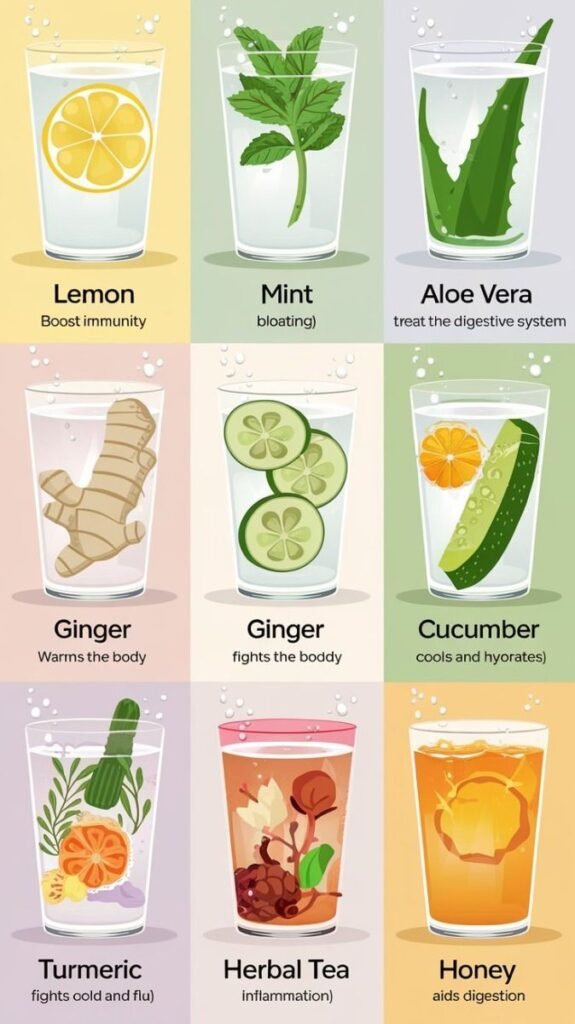
Infused Water
Add:
- Lemon
- Mint
- Cucumber
Berries
Natural flavor without sugar.
Fresh Coconut Water
Contains natural electrolytes, but drink in moderation.’
Herbal Teas
Mint, chamomile, ginger—zero sugar if consumed plain.
Homemade Smoothies
Use:
- 1 fruit + veggies (spinach, cucumber)
- Unsweetened yogurt or milk
- No added sugar
Add a slice of lemon or mint for flavor.
Conclusion: Don’t Be Fooled by Marketing
Not every drink that claims to be “healthy” is truly good for you. Hidden sugars often turn these beverages into calorie-packed, blood-sugar-spiking choices. By reading labels carefully and choosing natural, low-sugar options, you can protect your health without sacrificing taste.