
Heart disease remains one of the leading health concerns in the United States, making awareness around nutrition more important than ever. A heart healthy diet is not just about avoiding unhealthy foods—it’s about celebrating nutritious choices that support long-term wellness. Interestingly, many International Food Days align perfectly with heart health goals by promoting whole foods, balanced meals, and mindful eating.
These global food observances provide an excellent opportunity for Americans to explore heart healthy foods, adopt heart healthy meals, and follow a diet to reduce cholesterol—all while enjoying flavors from around the world. Let’s explore how international food days can inspire better heart health across the USA.
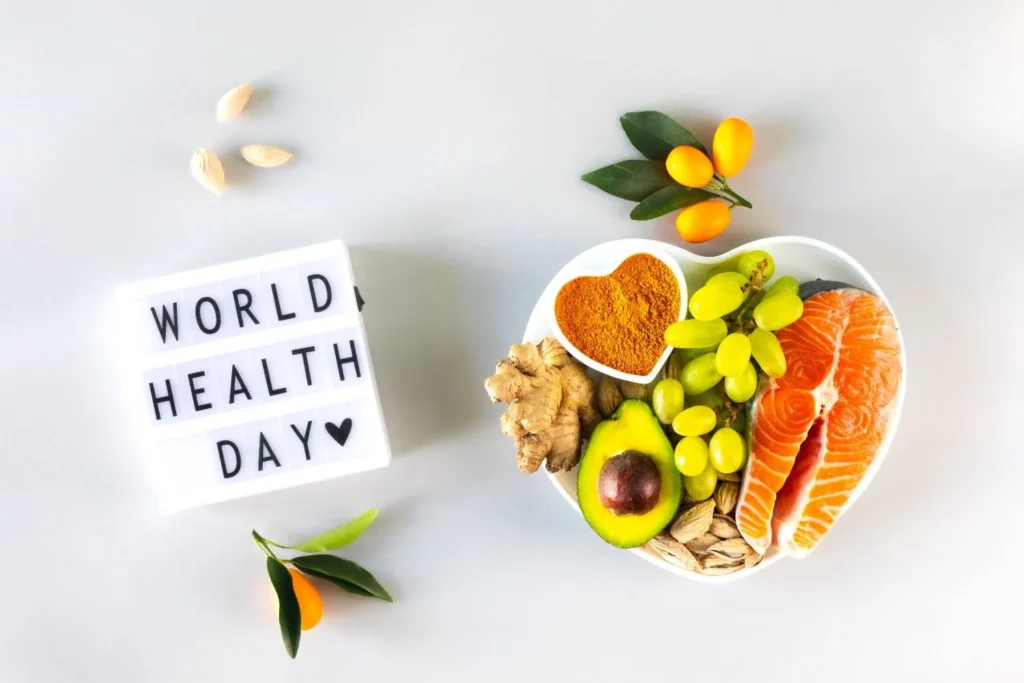
How International Food Days Encourage Heart-Healthy Eating
International Food Days are often created to raise awareness about nutrition, sustainability, and healthier lifestyles. Many of these days focus on foods that are scientifically proven to support cardiovascular health, such as fruits, vegetables, whole grains, legumes, nuts, and healthy fats.
In the USA, where processed and high-sodium diets are common, these food days serve as timely reminders to return to simple, nourishing choices. For example, days dedicated to fruits, vegetables, olive oil, or plant-based foods naturally align with the principles of a heart healthy diet.
Celebrating these days doesn’t require drastic lifestyle changes. It can be as simple as preparing a heart healthy meal at home, choosing fresh ingredients, or learning how global cultures support heart health through traditional diets. Over time, these small habits can significantly lower cholesterol levels and reduce the risk of heart disease.
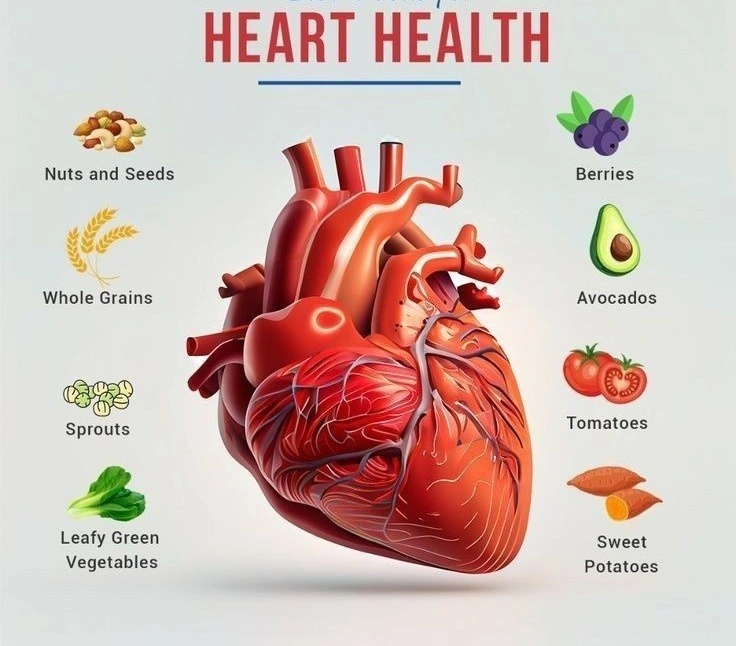
Key Points / Benefits of Heart-Healthy International Food Days
Encourage consumption of best foods for heart health
Support a balanced heart healthy diet without strict restrictions
Help reduce LDL cholesterol naturally
Promote plant-based and whole-food eating patterns
Increase awareness of global heart healthy meals
Make healthy eating enjoyable and culturally diverse
International Food Days That Support Heart Health in the USA
Many internationally recognized food days are especially beneficial for Americans looking to improve cardiovascular health. These days promote foods that are low in saturated fat, high in fiber, and rich in antioxidants—all essential for heart wellness.
World Olive Day highlights olive oil, a key component of the Mediterranean diet. Rich in monounsaturated fats, olive oil is one of the best foods for heart health and helps reduce bad cholesterol when used instead of butter or refined oils.
World Pulses Day celebrates lentils, beans, and chickpeas—excellent plant-based protein sources. Pulses are known to support a heart healthy diet by improving cholesterol levels and stabilizing blood sugar, making them ideal for heart healthy meals in the USA.
World Fruit and Vegetable Day emphasizes fresh produce, which is essential for heart health. Fruits and vegetables are naturally low in calories and high in fiber, potassium, and antioxidants, helping maintain healthy blood pressure and arteries.
International Nut Day promotes nuts like almonds, walnuts, and pistachios. When consumed in moderation, nuts are proven to support heart health by lowering cholesterol and improving lipid profiles.
World Food Day focuses on nutrition awareness and sustainable eating. It encourages Americans to rethink processed foods and adopt diets centered on whole, heart healthy foods that nourish both the body and the planet.
Each of these days offers an opportunity to explore heart healthy meals inspired by global cuisines, from Mediterranean salads to plant-based soups and grain bowls.
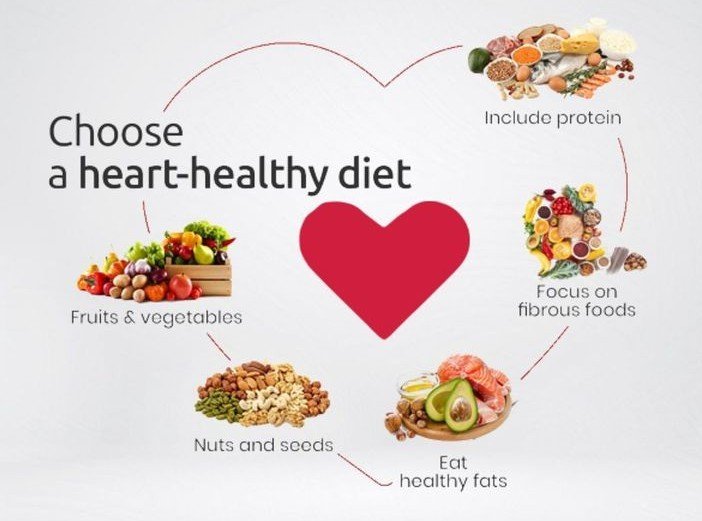
Why These Food Days Matter for Heart Health in the USA
The typical American diet often includes excess sodium, sugar, and unhealthy fats, all of which contribute to heart disease. International Food Days shift the focus toward natural, wholesome foods that support cardiovascular health without feeling restrictive.
By participating in these observances, individuals can learn how to prepare meals that follow a diet to reduce cholesterol while still being flavorful and satisfying. These food days also promote education—helping people understand why certain foods are considered the best foods for heart health.
Another important benefit is accessibility. Most heart healthy foods promoted on these days—such as fruits, vegetables, legumes, and whole grains—are affordable and widely available across the USA. This makes heart healthy eating more achievable for individuals and families alike.
Over time, regularly celebrating these days can help build long-term habits, encouraging Americans to prioritize heart health not just on special occasions, but every day.
Making Heart-Healthy Food Days Part of Everyday Life
You don’t need to wait for a specific date to enjoy the benefits of these food days. Use them as inspiration to plan weekly heart healthy meals, experiment with international recipes, or replace processed ingredients with whole-food alternatives.
For example, swap refined oils with olive oil, include pulses in soups or salads, snack on nuts instead of chips, and fill half your plate with vegetables. These simple changes align perfectly with a heart healthy diet and support cholesterol reduction naturally.
By embracing the message behind International Food Days, Americans can transform global food awareness into daily heart-protective habits—one meal at a time.
Final Thoughts
International Food Days offer more than celebration—they provide practical guidance for building a heart healthy lifestyle in the USA. By focusing on heart healthy foods, balanced meals, and global nutrition wisdom, these days encourage sustainable eating habits that protect the heart and improve overall well-being.
Making these food days part of your routine can be a powerful step toward better cardiovascular health, lower cholesterol, and a healthier future.