
Healthcare is entering a powerful new era. Instead of waiting for symptoms to appear, medical systems are learning how to predict illnesses before they happen. In 2026, predictive technologies powered by health data analytics are expected to transform how diseases are detected, prevented, and managed.
From wearable devices and electronic health records to AI-driven insights, data is becoming the backbone of the future of healthcare. Doctors, insurers, and patients are no longer relying solely on reactive treatment. Instead, they are shifting toward proactive prevention—using data to spot risks early and act fast.
This shift is not just about technology—it’s about saving lives, reducing costs, and empowering people to take control of their health. Let’s explore how predictive health data will help prevent diseases in 2026 and beyond.
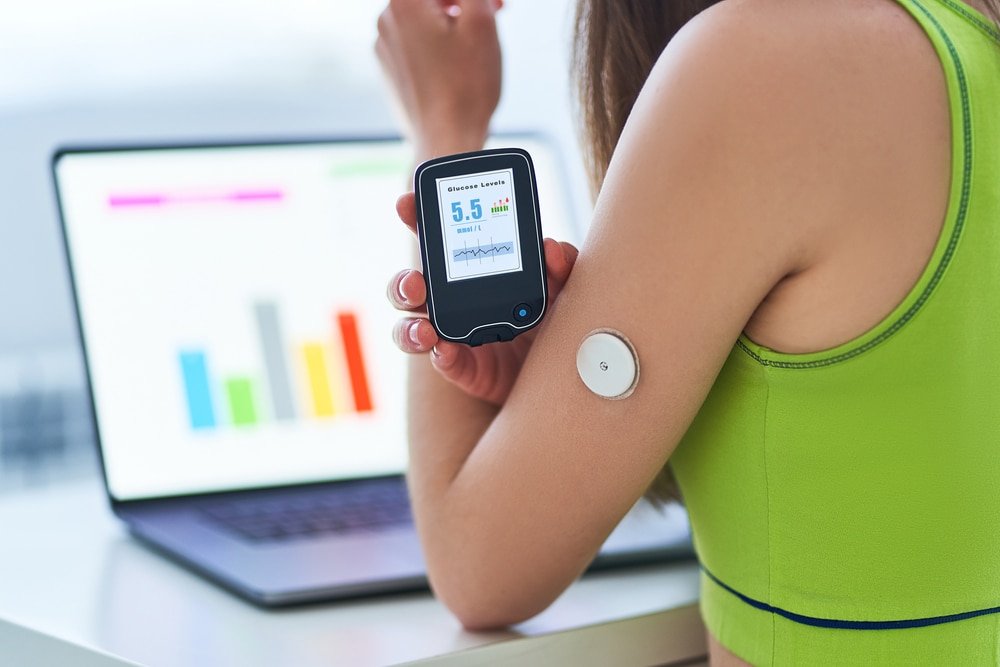
The Role of Health Data Analytics in Disease Prevention
At the core of this transformation is health analytics—the process of collecting, analyzing, and interpreting vast amounts of medical and lifestyle data. In 2026, these insights will play a critical role in identifying disease patterns long before clinical symptoms appear.
Early Detection Through Predictive Models
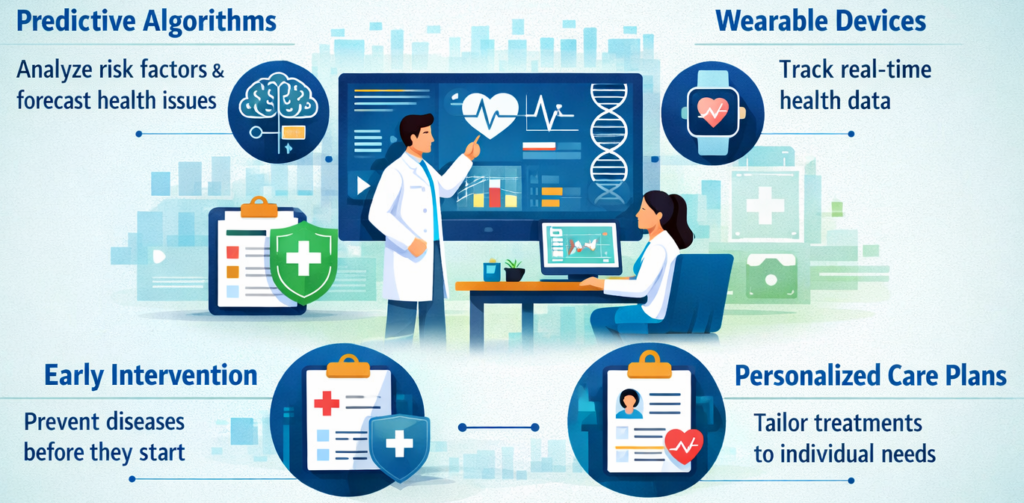
Predictive algorithms analyze factors such as age, genetics, lifestyle habits, sleep patterns, heart rate, and medical history. By comparing this data with millions of similar profiles, systems can predict the likelihood of conditions like diabetes, heart disease, and even mental health disorders.
This is where health data analytics becomes truly powerful. Instead of a single test result, healthcare providers gain a complete risk profile, allowing for early interventions such as lifestyle changes, preventive medication, or closer monitoring.
Wearables and Real-Time Health Monitoring
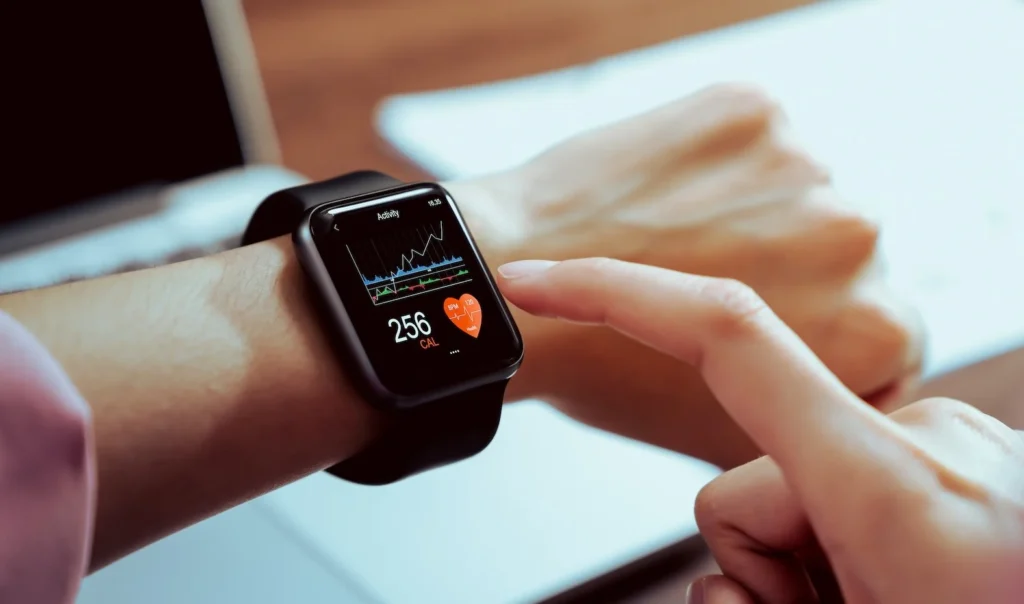
Smartwatches, fitness bands, and health-tracking apps are becoming everyday tools. In 2026, these devices will feed real-time data directly into health systems, creating continuous health records. Abnormal trends—such as irregular heart rhythms or sudden changes in activity—can trigger early warnings.
This constant flow of information supports both doctors and patients, reducing emergency situations and hospital admissions.
Insurance and Preventive Healthcare
Health insurance providers are also embracing predictive analytics. Companies like Future Generali Health Insurance are increasingly focusing on prevention rather than only covering treatment costs. By analyzing customer health data responsibly, insurers can offer personalized wellness programs, early screenings, and incentives for healthy behavior.
This approach benefits everyone—patients stay healthier, and insurers reduce long-term claim costs.
How Predictive Health Data Will Shape the Future of Healthcare
The impact of predictive data goes far beyond early diagnosis. It is fundamentally changing how healthcare systems operate, how professionals work, and how patients engage with their own well-being.
Personalized Treatment and Care Plans
In 2026, treatment will no longer be “one-size-fits-all.” Predictive insights allow doctors to design personalized care plans based on individual risk factors. This improves treatment success rates and reduces unnecessary procedures.
For example, two people with similar symptoms may receive completely different care strategies based on predictive health profiles.
The Growing Demand for Healthcare Data Analysts
As data becomes central to healthcare, the role of the healthcare data analyst is more important than ever. These professionals turn raw medical data into actionable insights that doctors and policymakers can use.
In the future of healthcare, data analysts will work alongside clinicians to improve patient outcomes, optimize hospital resources, and guide public health decisions.
Population-Level Disease Prevention
Predictive health data doesn’t just help individuals—it helps entire communities. Governments and healthcare organizations can analyze trends across populations to identify high-risk areas, prevent disease outbreaks, and allocate resources more effectively.
This population-level intelligence will be essential in managing chronic diseases and future health crises.
Key Points / Benefits of Predictive Health Data
Detects diseases before symptoms appear
Enables personalized and preventive healthcare
Reduces long-term healthcare costs
Improves patient engagement and health awareness
Supports smarter insurance and public health decisions
Final Thoughts
By 2026, predictive health data will no longer feel futuristic—it will be a normal part of everyday healthcare. With advanced health analytics, smarter insurance models, and skilled healthcare data analysts, disease prevention will become more proactive, personalized, and effective.
The future of healthcare is not just about treating illness—it’s about predicting it, preventing it, and helping people live healthier, longer lives.