
Tea is one of the most loved beverages in the world, known for its calming ritual and health benefits. However, not everyone feels comfortable drinking caffeinated tea. Some people experience jitters, poor sleep, or digestive discomfort after consuming caffeine. Others simply prefer gentler options as part of a balanced lifestyle.
While green tea is often praised for its antioxidants and health properties, it still contains caffeine. Popular choices like matcha tea, matcha powder, and even well-known brands such as Lipton green tea can be too stimulating for those sensitive to caffeine. The good news is that there are many soothing and flavorful tea alternatives that allow you to enjoy a warm cup without the caffeine-related side effects.
If you’re looking to reduce caffeine intake without giving up the comfort of tea, this guide will help you explore better options while understanding where green tea fits into the picture.

Why Some People Choose to Avoid Caffeinated Tea
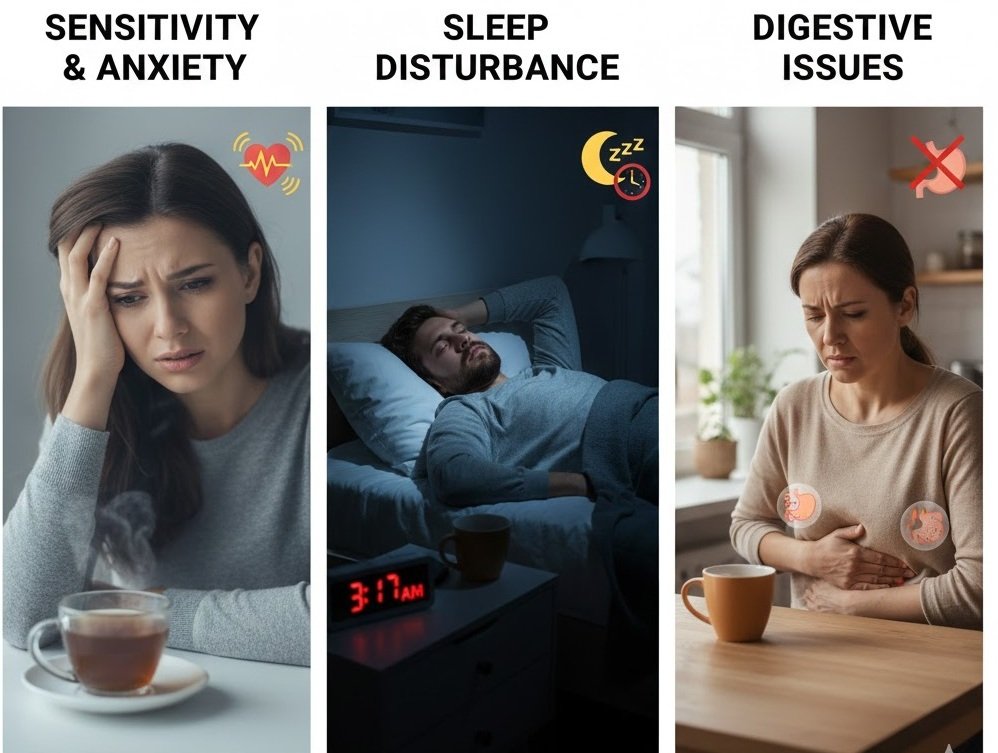
Caffeine affects everyone differently. While some people enjoy the energy boost, others may feel restless, anxious, or experience sleep disturbances. This is especially true for people who drink tea later in the day or already consume caffeine from coffee or energy drinks.
Although green tea for weight loss is a popular wellness trend, its caffeine content may not suit everyone. Matcha, in particular, contains concentrated caffeine because it uses powdered tea leaves. Even moderate daily intake of matcha powder can feel overwhelming for caffeine-sensitive individuals.
Another reason people avoid caffeine is digestive comfort. Caffeinated teas can sometimes increase acidity or cause discomfort when consumed on an empty stomach. For these reasons, many people seek caffeine-free alternatives that still offer warmth, flavor, and wellness benefits.
Best Tea Alternatives Without Caffeine
Avoiding caffeine doesn’t mean you have to give up tea entirely. Herbal and naturally caffeine-free infusions offer a wide variety of flavors and health-supporting properties.
Herbal teas are made from flowers, roots, leaves, and spices rather than tea leaves. This means they contain no caffeine and are generally safe to drink at any time of day.
Some popular caffeine-free alternatives include chamomile, peppermint, rooibos, hibiscus, ginger, and fruit infusions. These teas provide hydration and comfort without stimulating the nervous system.
For people transitioning away from green tea, herbal blends can feel like a gentle replacement. While they don’t offer the same compounds as green tea, they support relaxation, digestion, and overall balance.
It’s also important to note that decaffeinated versions of green tea exist, but they may still contain small amounts of caffeine. If your goal is complete avoidance, herbal alternatives are the safest choice.

How to Replace Green Tea in a Healthy Lifestyle
Many people rely on green tea as part of their wellness routine, especially for metabolism and energy. While green tea for weight loss is widely discussed, weight management is influenced more by overall lifestyle than a single beverage.
If you avoid caffeine, you can still support your health by focusing on hydration, balanced meals, and gentle movement. Herbal teas can play a supportive role by improving digestion, reducing bloating, and encouraging mindful routines.
Instead of matcha tea or Lipton green tea, consider warming herbal blends in the morning and calming teas in the evening. This creates a rhythm that supports both energy and rest—without caffeine.

Benefits
Suitable for people sensitive to caffeine
Can be enjoyed any time of day
Supports relaxation and digestion
Offers a wide variety of flavors
Helps maintain a calming daily routine
Final Thought
Avoiding caffeine doesn’t mean giving up tea—it simply means choosing options that better support your body and lifestyle. While green tea, matcha powder, and matcha tea have their place, they’re not essential for good health. Herbal tea alternatives offer comfort, flavor, and balance without stimulation. By listening to your body and choosing what feels right, you can still enjoy the ritual of tea in a calm and nourishing way.
1. Is green tea completely caffeine-free?
No, green tea naturally contains caffeine, although less than coffee.
2. Does matcha tea have more caffeine than green tea?
Yes, matcha tea usually contains more caffeine because it uses powdered tea leaves.
3. Is Lipton green tea suitable for people avoiding caffeine?
Lipton green tea still contains caffeine and may not be ideal for caffeine-sensitive individuals.
4. Can herbal teas replace green tea for weight loss?
Herbal teas don’t burn fat directly, but they can support digestion and healthy habits.
5. What is the best time to drink caffeine-free tea?
Caffeine-free teas can be enjoyed anytime, including evenings and before bed.