
Cold exposure has become a hot topic in fitness and wellness circles. From ice baths to cryotherapy chambers, athletes and everyday exercisers swear by cold therapy for faster recovery, reduced soreness, and even weight loss. But what does science actually say?
In this article, we’ll explore cold water exposure benefits, the scientific benefits of ice baths, and how cold therapy fits into modern sports recovery research—without hype, just facts.
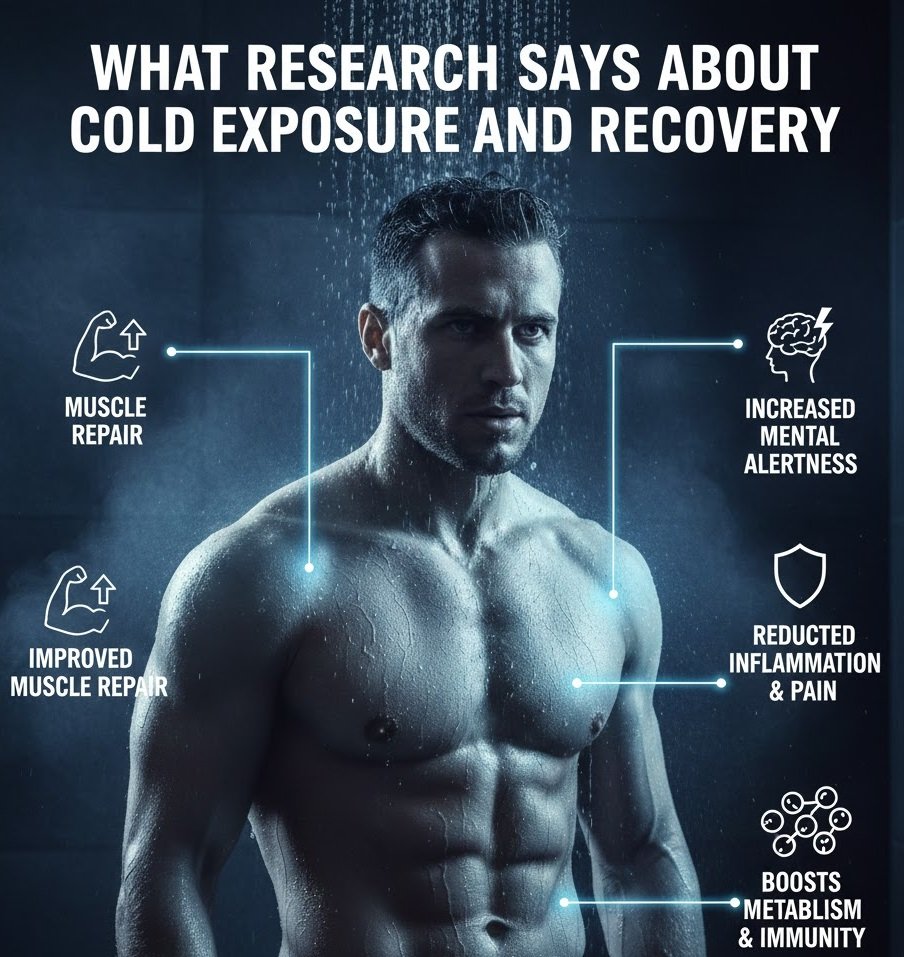
Understanding Cold Exposure Therapy
Cold exposure therapy involves exposing the body to low temperatures for short periods. Common methods include:
Cold water immersion (ice baths)
Cold showers
Cryotherapy chambers
These techniques are used to support recovery methods after workouts, reduce inflammation, and improve circulation.
Scientific Benefits of Ice Baths

Research shows ice baths can help in specific recovery situations, especially after intense exercise.
✔ Reduced Muscle Soreness
Studies indicate that ice baths can reduce delayed onset muscle soreness (DOMS) by limiting inflammation and slowing nerve signals that cause pain.
✔ Improved Short-Term Recovery
Cold exposure helps athletes feel recovered faster, making it useful during tournaments or back-to-back training days.
✔ Better Circulation Post-Recovery
Cold constricts blood vessels, and once you warm up, circulation improves—helping flush metabolic waste from muscles.
Cold Water Exposure Benefits for Athletes
Cold therapy is especially popular in sports recovery due to its immediate effects.
Benefits include:
Reduced muscle swelling
Temporary pain relief
Faster perceived recovery
Improved mental resilience
Sports recovery research suggests cold exposure is best used strategically, not daily.
What Sports Recovery Research Really Shows
While cold exposure is helpful, science also highlights limitations.
❌ Not Ideal for Muscle Growth
Some studies suggest frequent ice baths may reduce muscle growth by blunting inflammation needed for adaptation.
⚠️ Best for Competition, Not Every Workout
Ice baths are ideal after competitions or extreme sessions—but not after every strength workout.
Key takeaway: Cold therapy supports recovery, but overuse may slow long-term progress.
Cryogenic Weight Loss: Fact or Fiction?
Cryotherapy is sometimes marketed for fat loss, but research is mixed.
What science says:
Cold exposure can slightly increase calorie burn
It may activate brown fat temporarily
It does NOT replace proper diet or exercise
Cryogenic weight loss should be seen as a supportive wellness tool, not a primary fat-loss solution.
Recovery Methods After Workout: Cold vs Other Techniques
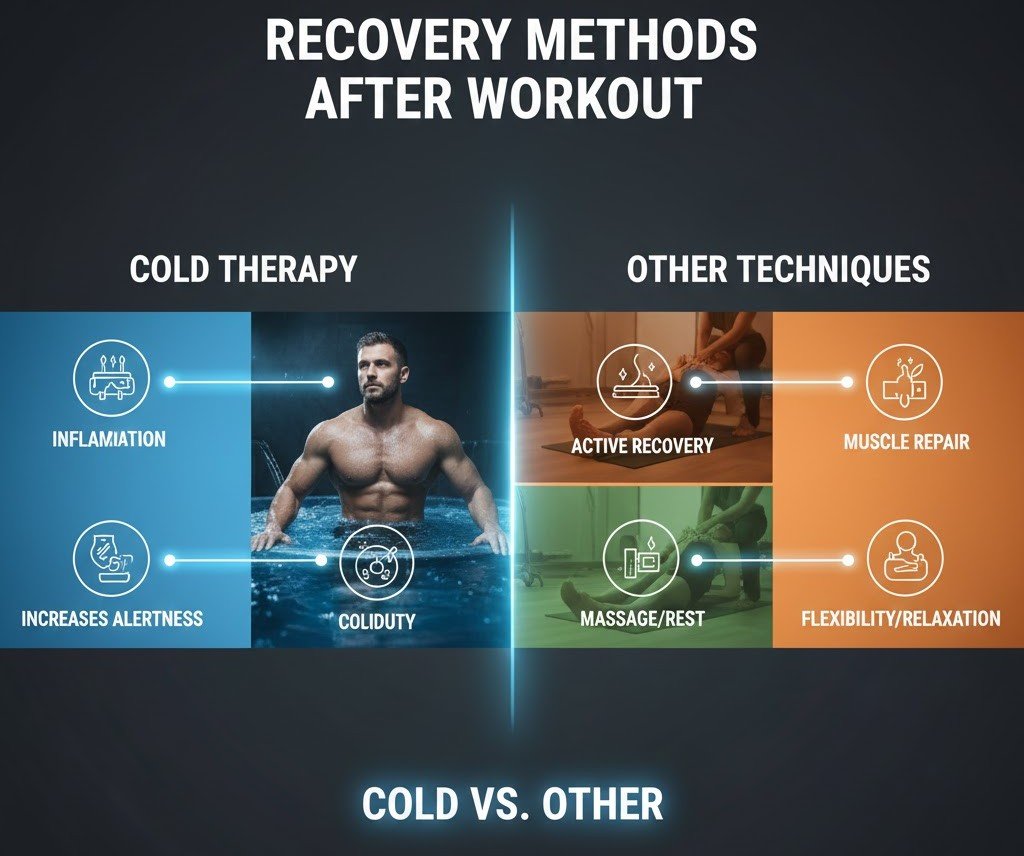
Cold exposure works best when combined with other recovery strategies:
Effective recovery methods:
Quality sleep
Proper hydration
Active recovery
Stretching and mobility work
Balanced nutrition
Cold therapy enhances recovery, but it’s not a magic fix.
Mental Benefits of Cold Exposure
Cold exposure isn’t just physical—it trains the mind.
Research links cold exposure to:
Improved stress tolerance
Better focus
Increased dopamine release
Enhanced mood regulation
This mental resilience is one reason many athletes continue cold therapy.
Who Should Avoid Cold Exposure?
Cold therapy isn’t for everyone. Avoid or consult a doctor if you have:
Heart conditions
Circulation problems
Cold sensitivity
Nerve disorders
Always start gradually and listen to your body.
How to Use Cold Exposure Safely

If you want to try it:
Start with 30–60 seconds
Use after intense workouts only
Avoid daily ice baths for muscle growth goals
Warm up properly afterward
Consistency and moderation matter more than intensity.
Final Verdict: Is Cold Exposure Worth It?
Research shows cold exposure can:
✔ Reduce soreness
✔ Improve short-term recovery
✔ Support mental toughness